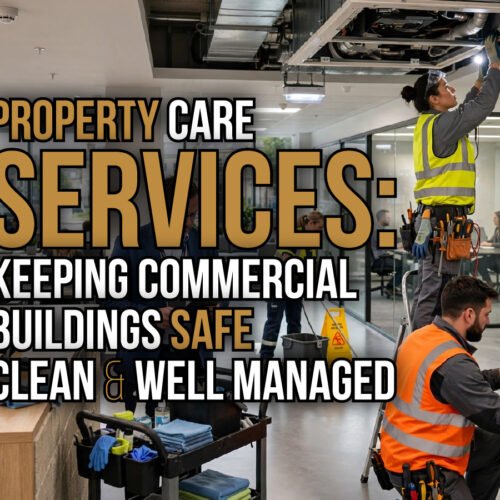

Commercial property ownership and management in the UK has changed dramatically. Today, landlords and occupiers are expected to deliver safe, compliant, well-maintained buildings while controlling operating costs and minimising disruption to tenants and staff.
That is exactly why structured commercial property maintenance plans have become essential rather than optional.
In this in-depth guide, you will learn:
- what a commercial property maintenance plan really is,
- what services are normally included,
- how planned maintenance differs from reactive repairs,
- how maintenance plans protect income and asset value, and
- why working with a professional provider such as Gohaych Services helps property owners reduce risk and improve long-term performance.
You can explore their full property services here:
👉 https://gohaychservices.co.uk/services/
Or request a tailored maintenance proposal here:
👉 https://gohaychservices.co.uk/get-a-quote/
What is a commercial property maintenance plan?
A commercial property maintenance plan is a structured, scheduled and documented programme of inspections, servicing and minor repairs designed to keep a building:
- safe
- legally compliant
- operational
- cost-efficient
Rather than reacting only when something fails, a maintenance plan focuses on preventing breakdowns, identifying early defects and coordinating essential compliance checks.
A professional plan normally covers:
- building fabric and structure
- mechanical and electrical systems
- fire and safety systems
- internal finishes and common areas
- external areas and drainage
Why commercial buildings cannot be managed reactively anymore
Many owners still rely on reactive maintenance – waiting until something breaks.
This approach creates several serious risks:
- unplanned downtime for tenants
- emergency contractor costs
- health and safety exposure
- breach of lease obligations
- reputational damage
In commercial environments, even minor failures such as lighting faults, blocked drainage or HVAC breakdowns can disrupt business operations and lead to compensation claims or tenant complaints.
Planned maintenance reduces these risks by detecting problems before they become operational incidents.
What is normally included in a commercial property maintenance plan?
Although every building is different, most professional maintenance plans include the following core workstreams.
1. Mechanical and electrical maintenance
This typically includes:
- heating, ventilation and air-conditioning (HVAC) servicing
- plant room inspections
- electrical distribution checks
- lighting system maintenance
- emergency lighting testing
These systems represent the largest operational risk in most commercial buildings and account for a significant portion of maintenance budgets.
2. Fire safety and life safety systems
Fire safety is a legal and operational priority.
Maintenance plans normally coordinate:
- fire alarm testing and servicing
- emergency lighting inspections
- fire door inspections
- fire extinguishers and signage
- evacuation route checks
Failing to maintain these systems correctly exposes owners to enforcement action and severe liability.
3. Plumbing and drainage
Commercial buildings experience much higher usage than residential properties.
Routine maintenance typically covers:
- water supply and pipework checks
- leak inspections
- washroom systems
- drainage and gullies
- booster pumps and storage tanks
Small leaks and blockages are one of the most common causes of major damage when left undetected.
4. Building fabric and internal condition
This includes:
- walls, ceilings and finishes
- flooring and staircases
- doors and access systems
- glazing and partitions
Regular inspections prevent trip hazards, deterioration and tenant complaints.
5. External areas and envelope
External inspections normally cover:
- roofs and rainwater systems
- external walls and cladding
- car parks and access routes
- external lighting and signage
These elements protect the building from water ingress and structural damage.
Planned maintenance vs reactive maintenance
The difference between planned and reactive maintenance is not theoretical – it directly affects operating costs and tenant experience.
| Area | Planned maintenance | Reactive maintenance |
|---|---|---|
| Risk | Controlled | Unpredictable |
| Costs | Budgeted | Emergency pricing |
| Disruption | Minimal | High |
| Compliance | Managed | Often missed |
| Asset life | Extended | Reduced |
Commercial property maintenance plans allow owners to move from firefighting to controlled asset management.
How a commercial maintenance plan is structured
A professional maintenance plan is normally structured around four key timeframes.
Monthly and routine checks
- visual inspections of common areas
- lighting and access routes
- basic plant observations
- minor defects and damage
Quarterly servicing
- HVAC servicing
- electrical and emergency lighting tests
- drainage inspections
- fire safety system checks
Bi-annual inspections
- roof and external envelope inspections
- plant condition reviews
- access systems and security reviews
Annual compliance and statutory servicing
- fire system servicing and certification
- specialist inspections
- documented compliance checks
This structured approach ensures no system is overlooked.
Why commercial property maintenance plans matter for landlords
For landlords, maintenance planning is directly linked to income stability and asset value.
1. Stronger tenant retention
Tenants remain longer in buildings where:
- repairs are handled quickly
- common areas remain presentable
- systems are reliable
Poor maintenance is one of the most common drivers of early lease termination.
2. Reduced void periods
Well-maintained buildings re-let faster and present better during viewings and surveys.
3. Fewer disputes and claims
Maintenance records and inspection reports provide evidence of responsible management.
4. Better long-term asset protection
Planned maintenance extends the life of:
- roofs
- plant and equipment
- internal finishes
This directly reduces capital expenditure over time.
Why maintenance plans matter for occupiers and businesses
For occupiers, maintenance affects daily operations.
A structured plan improves:
- comfort and air quality
- lighting levels
- noise control
- overall workplace experience
It also reduces:
- unplanned shutdowns
- equipment failure
- safety incidents
Compliance and legal responsibilities in commercial buildings
UK commercial property owners and duty holders have legal obligations to ensure that buildings are safe and properly maintained.
A maintenance plan supports:
- documented inspection regimes
- servicing records
- remedial tracking
- contractor competence verification
While individual regulations vary by building type, maintenance planning is the foundation of demonstrable compliance.
How maintenance plans reduce long-term operating costs
Contrary to common perception, maintenance plans usually reduce total operating costs.
They achieve this by:
- preventing catastrophic equipment failures
- allowing bulk and planned contractor procurement
- reducing repeat call-outs
- identifying inefficient or failing systems early
Over the life of a building, this delivers substantial savings.
Common mistakes property owners make with maintenance
The most common mistakes include:
- relying on ad-hoc contractors only
- failing to track inspections and servicing
- ignoring early warning signs
- deferring maintenance to protect short-term cash flow
These mistakes almost always lead to:
- higher capital repair leads
- tenant dissatisfaction
- regulatory intervention
Outsourced maintenance plans vs in-house coordination
Many landlords and managing agents now outsource maintenance planning because it provides:
- central coordination
- consistent inspection standards
- access to qualified trades
- documentation and reporting
Instead of managing multiple contractors and schedules internally, owners deal with one structured delivery partner.
You can explore integrated maintenance and property support here:
👉 https://gohaychservices.co.uk/services/
How Gohaych Services supports commercial maintenance planning
Gohaych Services provides coordinated commercial property support that helps owners and occupiers:
- create structured maintenance schedules
- manage inspections and servicing
- coordinate qualified contractors
- track compliance requirements
- resolve issues before disruption occurs
Instead of reacting to breakdowns, clients follow a proactive and controlled maintenance strategy.
You can view their services here:
👉 https://gohaychservices.co.uk/services/
To discuss your building or portfolio requirements, you can request a consultation here:
👉 https://gohaychservices.co.uk/get-a-quote/
What types of commercial properties benefit most from maintenance plans?
Maintenance plans deliver strong value for:
- office buildings and business parks
- retail units and shopping centres
- clinics and professional practices
- mixed-use developments
- multi-let commercial properties
The more complex the building and tenant profile, the more critical planned maintenance becomes.
How to start a commercial property maintenance plan
The first step is a structured building assessment.
This usually includes:
- condition review of systems and fabric
- compliance status check
- identification of high-risk components
- creation of a maintenance schedule
From this, a realistic and tailored maintenance programme can be developed.
You can begin this process here:
👉 https://gohaychservices.co.uk/get-a-quote/
Frequently asked questions
Is a maintenance plan mandatory for commercial buildings?
While specific regulations vary by building type, owners and duty holders must maintain buildings in a safe and compliant condition.
A maintenance plan is the most effective way to demonstrate this.
Can a maintenance plan be customised?
Yes. Professional plans are tailored to building size, usage, systems and risk profile.
Will maintenance disrupt tenants?
Planned maintenance is scheduled to minimise disruption and can often be carried out outside peak occupancy periods.
Does a maintenance plan include major repairs?
Maintenance plans focus on inspections, servicing and minor works.
However, they identify and scope larger works early so they can be planned rather than treated as emergencies.
Final thoughts
Commercial property maintenance plans are no longer simply operational tools.
They are strategic asset-management frameworks.
By implementing a structured maintenance plan, owners and occupiers can:
- reduce operational risk,
- protect rental income,
- extend building life, and
- improve tenant satisfaction.
If you want to move away from reactive repairs and towards a professional, preventative maintenance approach, you can explore your options with:
👉 https://gohaychservices.co.uk/
👉 https://gohaychservices.co.uk/services/
👉 https://gohaychservices.co.uk/get-a-quote/
A well-maintained commercial property is easier to manage, more attractive to tenants and far better protected against future risk.