
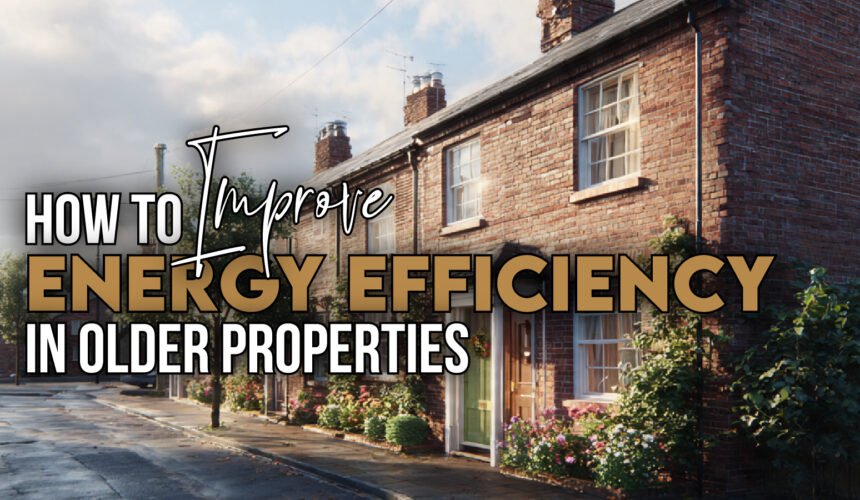
Older properties across the UK often look full of character, yet behind the charm sits a familiar problem. Heat escapes faster, bills climb higher, and comfort levels vary from room to room. As a result, many owners assume efficiency upgrades must be expensive or disruptive. In reality, the smarter approach is targeted, practical, and staged over time.
Understanding how to improve energy efficiency in older properties is not about chasing every upgrade. Instead, it is about making the right decisions in the right order. When insulation, ventilation, and heating work together, performance improves without creating new problems.
Why energy efficiency matters more in older UK properties
Older UK homes were not designed for modern energy expectations. Solid walls, ageing windows, limited insulation, and natural ventilation all mean heat loss is higher. Meanwhile, rising energy costs have made inefficiency more noticeable than ever.
For homeowners, poor efficiency reduces comfort and increases running costs. For landlords, it can affect tenant satisfaction, EPC ratings, and long-term rental appeal. Therefore, improving energy performance is not just about saving on bills. It also supports property value, compliance expectations, and overall usability.
Why older properties lose more heat and cost more to run
Heat loss usually comes from the building fabric rather than just the heating system. Roofs, walls, windows, doors, and floors all play a role.
Older buildings often suffer from:
- minimal loft insulation
- solid walls without cavity insulation
- draughty windows and doors
- unsealed gaps around floors and services
- inefficient or ageing heating systems
Because of this, simply upgrading the boiler without addressing heat loss rarely delivers strong results. A fabric-first approach, therefore, is usually more effective.
The best ways to improve energy efficiency in older properties
Loft insulation
Loft insulation is often the quickest win. Heat rises, so improving insulation at roof level can reduce significant energy loss. In many UK homes, upgrading insulation depth delivers noticeable improvement with relatively low disruption.
Wall insulation
Wall insulation depends on property type. Cavity walls can often be filled, while solid walls may require internal or external insulation. However, solid-wall insulation needs careful planning to avoid moisture problems, especially in older or listed properties.
Draught-proofing
Draught-proofing is one of the most cost-effective upgrades. Sealing gaps around doors, windows, floorboards, and service penetrations can improve comfort immediately. Moreover, it reduces heat loss without major structural changes.
Windows
Replacing single glazing or upgrading poor-quality double glazing can improve efficiency. However, in period homes, secondary glazing or improved seals may be more appropriate. Therefore, the right solution depends on both property type and local restrictions.
Doors
External doors should be well sealed and thermally efficient. Even small gaps can reduce overall performance. In addition, upgrading door seals is often a low-cost improvement with immediate benefits.
Heating systems
Older boilers and inefficient heating systems increase running costs. Upgrading to modern condensing boilers or considering heat pumps where suitable can improve performance. However, heating upgrades should follow insulation improvements for better results.
Smart controls
Smart thermostats and zoning controls help manage energy use more efficiently. Instead of heating the entire property unnecessarily, owners can control usage more precisely. As a result, energy waste reduces over time.
Hot water efficiency
Insulated cylinders, efficient controls, and modern systems reduce energy loss in hot water storage and delivery. Although often overlooked, hot water efficiency contributes to overall savings.
Lighting
Switching to LED lighting is a simple upgrade. While lighting is not the biggest energy cost, it still contributes to overall efficiency and reduces ongoing expenses.
Ventilation balance
Older homes need careful ventilation planning. While sealing a property improves efficiency, poor ventilation can lead to condensation and damp. Therefore, ventilation and insulation must work together.
Which upgrades offer the best balance of cost and value
Not every upgrade delivers equal value. Some improvements offer faster returns, while others depend on long-term planning.
Typically, the strongest cost-to-benefit upgrades include:
- loft insulation
- draught-proofing
- heating controls
- basic glazing improvements
More complex upgrades, such as solid-wall insulation or full heating system changes, can deliver strong results but require higher investment and careful design.
What landlords should prioritise in older rental properties
Landlords must balance cost, durability, and tenant expectations. Energy efficiency directly affects tenant comfort, which in turn influences retention and satisfaction.
Priority areas often include:
- reliable heating systems
- reasonable EPC improvements
- draught reduction
- durable and efficient upgrades
Additionally, aligning upgrades with broader improvement goals is important. For example, improving efficiency alongside value-driven upgrades is covered in how to upgrade your property for better rental income and higher value.
How energy-efficiency upgrades support rental income and value
Energy-efficient properties tend to attract stronger interest. Lower bills, better comfort, and improved EPC ratings make properties more appealing to tenants and buyers alike.
However, not every upgrade increases value equally. Practical improvements that enhance usability and reduce running costs usually perform better than purely technical upgrades that do not translate into visible benefit.
How property type and condition affect upgrade choices
Not all older properties should be treated the same. A Victorian terrace, a listed cottage, and a mid-century semi all require different approaches.
Key factors include:
- building fabric and materials
- listed status or conservation rules
- existing insulation levels
- heating system type
- occupancy patterns
In some cases, aggressive insulation can create moisture issues if ventilation is not addressed. Therefore, decisions must reflect the building’s behaviour, not just energy targets.
Common mistakes owners make when improving older properties
Many issues arise from poor planning rather than poor intention.
Common mistakes include:
- upgrading heating before reducing heat loss
- ignoring ventilation when sealing the property
- choosing unsuitable insulation methods
- focusing on cost instead of suitability
- expecting instant results from single upgrades
Another mistake is trying to manage everything without structured support. Professional guidance, such as what is professional property management and why it pays for landlords, can help align upgrades with long-term performance.
How to plan upgrades without overspending or causing bigger problems
A staged approach usually works best. Start with low-cost, high-impact improvements, then move towards more complex upgrades if needed.
A practical plan includes:
- assessing current performance
- prioritising fabric improvements
- aligning heating upgrades with insulation
- budgeting realistically
- avoiding unnecessary disruption
Ultimately, careful planning prevents wasted spend. It also ensures each upgrade supports the next, rather than working against it.
Conclusion
Understanding how to improve energy efficiency in older properties is about making informed, balanced decisions. UK homes require a practical approach that respects building structure, climate, and usage patterns.
Rather than chasing every upgrade, focus on what genuinely improves performance, comfort, and long-term value. When done properly, energy improvements reduce costs, enhance liveability, and strengthen market appeal.
If you want tailored guidance on upgrading your property efficiently, Gohaych Services can help you plan smarter improvements, avoid costly mistakes, and protect long-term performance with a structured approach.
People Also Ask Questions
How can I make an old house more energy efficient in the UK?
Start with insulation and draught-proofing, then improve heating efficiency. Loft insulation and sealing gaps usually deliver quick gains. After that, consider glazing, heating upgrades, and controls. The key is improving the building fabric before upgrading systems.
What is the cheapest way to improve energy efficiency?
Draught-proofing and loft insulation are often the most cost-effective options. They reduce heat loss quickly and require minimal disruption. In addition, switching to LED lighting and improving heating controls can provide noticeable savings at low cost.
Do older houses need special insulation methods?
Yes, especially for solid-wall or listed properties. Standard insulation methods may not suit all buildings. Poorly chosen upgrades can cause moisture issues, so solutions must match the property’s structure and ventilation needs.
Is upgrading windows always worth it?
Not always. While better glazing can help, the impact depends on existing performance. In some cases, improving seals or adding secondary glazing may be more suitable than full replacement, particularly in period homes.
Can energy efficiency improvements increase property value?
They can, but results vary. Improved comfort, lower bills, and better EPC ratings can make a property more attractive. However, value depends on location, condition, and how visible or practical the improvements are.
Should landlords prioritise EPC improvements?
Yes, but with balance. EPC improvements matter for compliance and tenant appeal. However, landlords should focus on practical upgrades that improve real performance, not just theoretical ratings.
Are heat pumps suitable for older properties?
Sometimes. Heat pumps can work well if the property is well insulated and designed appropriately. However, without sufficient insulation, performance may be limited. Therefore, fabric improvements usually come first.
How do I avoid overspending on energy upgrades?
Plan upgrades in stages, prioritise high-impact improvements, and avoid unnecessary work. Comparing options properly and aligning upgrades with the property’s needs usually prevents wasted spend.