
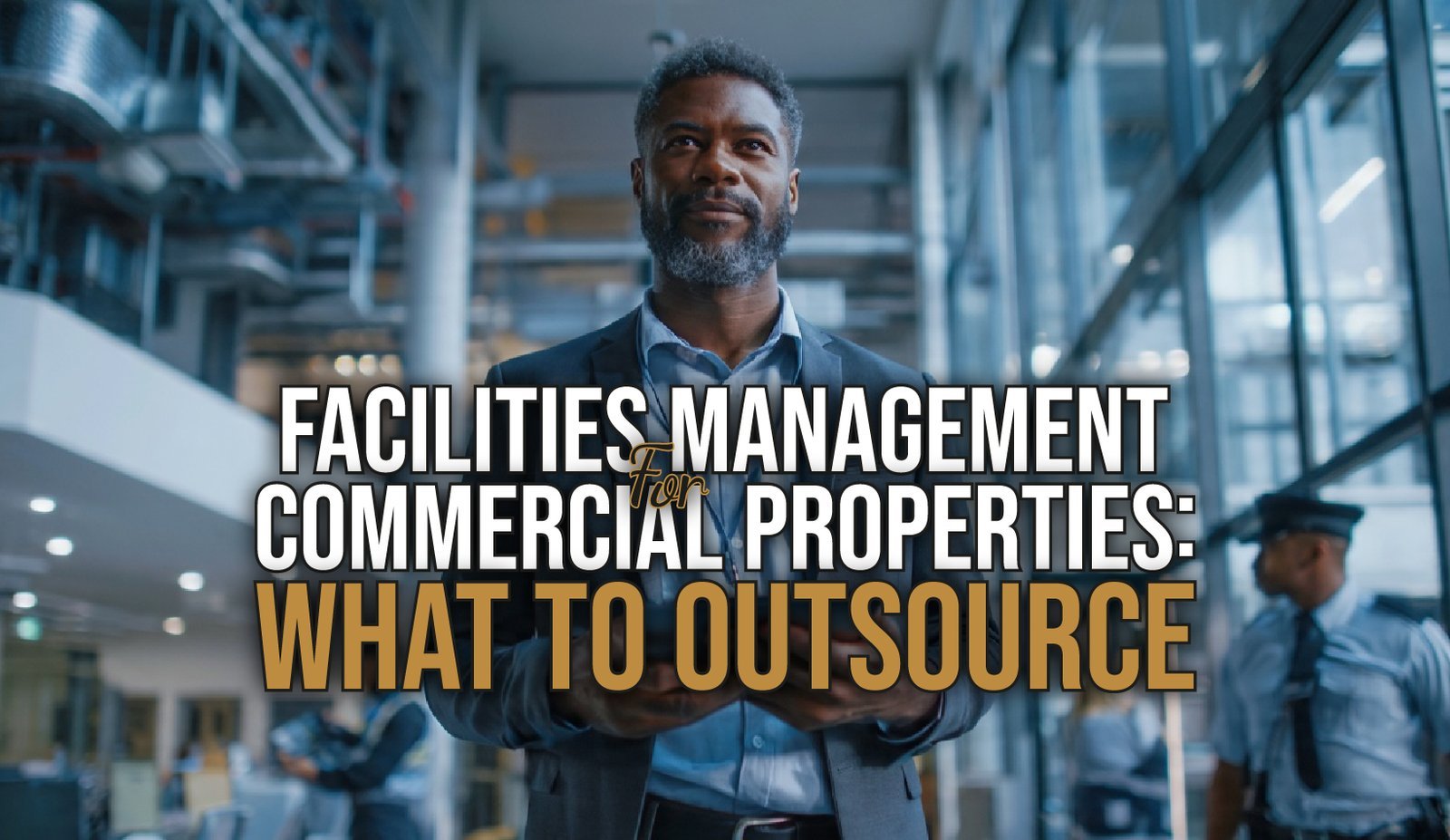
Poor building management can quickly become expensive for UK commercial property owners. Delayed repairs, weak contractor coordination, unclear responsibilities and reactive maintenance can disrupt daily operations, frustrate tenants and increase long-term costs. Therefore, facilities management commercial property support matters for offices, retail units, warehouses, restaurants, hotels, industrial units and managed property portfolios.
A commercial building needs more than occasional repairs. It needs planned maintenance, clear reporting, reliable contractors, inspection routines and fast response when something goes wrong. Without structure, small issues such as leaking pipes, damaged lighting, blocked drains or poor heating can turn into bigger business problems.
That is why many UK landlords, business owners, facilities managers and property managers now review which tasks they should outsource. With the right facilities management commercial property plan, businesses can save time, reduce stress, improve building condition and keep premises operating properly.
This guide explains what facilities management includes, which commercial facilities services can be outsourced and how Gohaych Services can support business premises with practical property maintenance and building management support.
What Is Facilities Management for Commercial Property?
Facilities management commercial property support covers the practical management, maintenance and coordination of services that keep a commercial building functional, presentable and suitable for daily use.
It can include planned maintenance, emergency repairs, cleaning coordination, contractor management, building inspections, plumbing and drainage support, electrical issue reporting, heating and ventilation maintenance, roof and gutter checks, lighting repairs, external upkeep and general building management.
Commercial properties may include:
- Offices
- Retail units
- Warehouses
- Restaurants
- Hotels
- Mixed-use buildings
- Industrial units
- Commercial rental units
- High-street business premises
- Managed property portfolios
- Older UK commercial buildings
- Landlord-owned business premises
In simple terms, facilities management commercial property support helps owners and managers keep the building running while reducing the pressure on internal teams.
For example, an office manager may not have time to chase plumbers, electricians and cleaning teams. A retail landlord may need faster repair coordination for multiple units. Likewise, a warehouse operator may need planned maintenance to avoid disruption around loading bays, lighting, drainage and access areas.
Why Facilities Management Commercial Property Support Matters
Facilities management commercial property support matters because commercial buildings directly affect business performance. If heating fails, staff productivity can drop. If washrooms break, tenants complain. If roof leaks continue, repair costs rise. If contractors respond slowly, managers lose valuable time.
Strong facilities management helps businesses:
- Keep buildings operating properly
- Reduce avoidable disruption
- Improve tenant and staff satisfaction
- Coordinate contractors more efficiently
- Plan repairs before they become urgent
- Track maintenance costs
- Improve long-term building condition
- Support commercial property value
- Reduce management stress
- Make better repair and renovation decisions
Many commercial property problems happen because responsibilities are unclear. One person thinks the landlord will arrange repairs. Another assumes the tenant will report issues. Meanwhile, contractors may receive incomplete instructions, and small problems continue for weeks.
A structured facilities management commercial property process solves this by creating clear systems for reporting, repair approval, contractor coordination and follow-up checks.
What Commercial Facilities Services Can Businesses Outsource?
Commercial facilities services can cover many practical tasks. The right services depend on the building type, usage, age, tenant needs and maintenance history.
Planned maintenance
Planned maintenance helps businesses schedule regular checks before issues become urgent. This can include roof checks, drainage reviews, heating inspections, lighting checks and external building reviews.
Emergency repairs
Urgent problems need fast action. Outsourced support can help coordinate contractors for leaks, lock issues, electrical faults, heating failures, drainage problems and other business property repairs.
Cleaning coordination
Cleaning affects presentation, tenant satisfaction and customer experience. Outsourcing coordination can help businesses maintain consistent standards.
Contractor management
Managing multiple contractors takes time. A facilities partner can help organise quotes, visits, repairs, follow-ups and performance records.
Building inspections
Routine inspections help identify defects early. They also create a clearer record of building condition.
Plumbing and drainage support
Leaks, blocked drains and water issues can disrupt offices, restaurants, hotels and retail units. Regular checks help reduce emergency disruption.
Electrical issue reporting
Commercial properties need clear processes for reporting electrical concerns, faulty lighting, socket issues and power interruptions.
Heating and ventilation maintenance
Heating and ventilation affect comfort, usability and building performance. Planned checks can reduce complaints and emergency callouts.
Roof and gutter checks
Roof and gutter issues can create water damage if ignored. Seasonal checks help protect the building.
Lighting repairs
Lighting supports staff, customers, tenants and visitors. Poor lighting can make a commercial property feel neglected.
External building upkeep
External areas, entrances, pathways, signage areas and walls affect first impressions and long-term condition.
Washroom maintenance
Washrooms need regular attention, especially in offices, restaurants, hotels, retail units and shared commercial buildings.
Tenant or staff repair reporting
A clear repair reporting process helps businesses respond faster and avoid confusion.
General building management
General building management can include routine checks, repair tracking, contractor communication and maintenance records.
Together, these services form a practical facilities management commercial property support system.
Outsourced Property Management vs In-House Building Management
Some businesses manage facilities in-house. Others use outsourced property management or a maintenance contractor. Both options can work, but the right choice depends on capacity, building complexity and repair workload.
| Management Option | Best For | Main Benefit | Main Limitation | Cost Consideration | Planning Tip |
|---|---|---|---|---|---|
| In-house building management | Businesses with internal facilities staff | Direct daily control | Can overload internal teams | Staff time and management cost | Use when the workload is consistent |
| Outsourced property management | Landlords and multi-site owners | Saves time and improves coordination | Needs clear reporting | Service cost vs time saved | Set expectations early |
| Maintenance contractor support | Sites needing practical repairs | Faster access to trade support | Scope must be clear | Depends on repair frequency | Keep a clear work log |
| Hybrid model | Growing businesses and mixed-use sites | Combines internal control with external help | Needs coordination | Balanced cost structure | Define who owns each task |
A business may keep basic reporting in-house while outsourcing repairs, inspections and planned maintenance. This gives internal teams visibility without forcing them to manage every contractor.
For many commercial landlords, facilities management commercial property outsourcing creates a better balance between control and workload.
When Should You Outsource Facilities Management?
Outsourcing makes sense when property tasks consume too much time, costs feel unpredictable or internal teams struggle to keep up with repairs.
You should consider outsourcing when:
- The property has regular repair issues
- Internal staff lack time
- Multiple contractors need coordination
- Tenants report frequent problems
- The building needs planned maintenance
- Emergency repair response is slow
- Costs feel unpredictable
- The property needs professional oversight
- Repairs are not documented properly
- Maintenance tasks keep getting delayed
For example, a retail landlord with several units may struggle to manage repair requests from each tenant. A hotel may need fast maintenance coordination to avoid guest complaints. A warehouse may need a reliable maintenance contractor for doors, lighting, drainage and external areas.
In these cases, facilities management commercial property support can reduce pressure and improve response.
How a Maintenance Contractor Supports Commercial Properties
A maintenance contractor supports commercial properties by handling practical repairs, planned maintenance, inspections and building upkeep. The right contractor can help owners deal with problems quickly while also reducing repeat issues.
A maintenance contractor can support:
- Business property repairs
- Planned maintenance visits
- Plumbing and drainage work
- Minor electrical issue reporting
- Roof and gutter checks
- Door, window and lock repairs
- Washroom repairs
- Lighting repairs
- External building upkeep
- Emergency response
- Follow-up checks
- Long-term asset care
However, choosing a maintenance contractor only by price can create problems. Cheap repairs may fail quickly, and poor communication can increase stress. Therefore, businesses should compare reliability, response, reporting and experience.
A strong facilities management commercial property setup should use contractors who understand commercial disruption. They should know that a delay can affect tenants, customers, trading hours and staff productivity.
Building Management Tasks Businesses Should Not Ignore
Good building management depends on regular attention. When businesses ignore routine tasks, repairs often become urgent and more expensive.
Important building management tasks include:
Routine inspections
Regular inspections help identify leaks, damage, wear, access issues and general defects before they worsen.
Contractor records
Keep records of contractor visits, quotes, invoices, repair notes and follow-up actions.
Repair logs
Repair logs help businesses spot repeat problems and decide whether a deeper fix or renovation is needed.
Maintenance schedules
A planned maintenance schedule helps teams stay organised across monthly, quarterly and seasonal tasks.
Tenant or staff feedback
Tenants and staff often notice issues first. Their feedback can prevent minor defects from becoming major repairs.
Emergency contact lists
Every commercial property should have updated emergency contacts for urgent repairs.
Seasonal checks
Seasonal checks help manage roofs, gutters, heating, ventilation, drainage and external areas.
Budget planning
Maintenance budgets reduce surprise costs and help owners plan future work.
Renovation planning
Some buildings need upgrades, not repeated small repairs. Review whether renovation would deliver better value.
Long-term property condition reviews
A long-term review helps owners track whether the building is improving, declining or becoming more expensive to maintain.
These tasks support stronger facilities management commercial property control.
Facilities Management Commercial Property Costs: What Affects the Price?
Facilities management commercial property costs vary because every building has different needs. A small office will not have the same requirements as a hotel, warehouse, restaurant or mixed-use building.
Main cost factors include:
Property size
Larger buildings usually need more inspections, more maintenance time and more contractor coordination.
Building age
Older UK commercial buildings may need more frequent repairs, especially around roofing, heating, plumbing and external areas.
Number of tenants or users
More users usually create more wear, more reporting and more maintenance demand.
Maintenance frequency
Monthly or quarterly planned maintenance may cost more upfront, but it can reduce emergency repairs over time.
Repair urgency
Emergency callouts usually cost more than planned work.
Contractor availability
Busy periods and specialist trades can affect pricing.
Material quality
Better materials may cost more at the start but reduce repeat repairs.
Access requirements
Roofs, high ceilings, restricted areas and large external sites may need extra planning.
Planned maintenance needs
A building with a clear maintenance schedule may cost less over time than one that relies on reactive repairs.
Long-term renovation requirements
Repeated repairs may indicate future renovation needs. Planning early can improve cost control.
A good facilities partner should help businesses understand these cost drivers and make practical decisions.
Facilities Management Commercial Property Checklist
Use this checklist to review your current facilities management commercial property process.
Current maintenance
- Review current maintenance issues
- List repeated repair problems
- Check urgent repair history
- Review contractor response times
- Identify delayed business property repairs
Contractors
- List all contractors
- Check contractor records
- Review contractor reliability
- Keep emergency contacts updated
- Decide whether one maintenance contractor can simplify support
Planned maintenance
- Create a planned maintenance schedule
- Inspect roof and gutters
- Check plumbing and drainage
- Check heating and ventilation
- Review electrical issue reporting
- Plan seasonal checks
Building condition
- Review building access
- Check external areas
- Inspect washrooms
- Review lighting
- Track repair costs
- Identify repeated issues
Reporting and outsourcing
- Review tenant or staff reporting
- Decide what to outsource
- Compare outsourced property management options
- Review renovation needs
- Consider whether you need to request building management support
This checklist helps businesses decide where outsourcing will deliver the strongest value.
Common Facilities Management Mistakes to Avoid
Avoid these common mistakes if you want better building management and fewer costly surprises.
Waiting until repairs become urgent
Urgent repairs can increase costs and disrupt tenants or staff. Planned maintenance helps reduce this pressure.
Not documenting maintenance work
Without records, businesses cannot track repeat issues or contractor performance.
Using too many uncoordinated contractors
Multiple contractors can create confusion if nobody manages the process properly.
Choosing a maintenance contractor only by price
Low-cost repairs can become expensive if quality is poor or communication fails.
Ignoring tenant or staff feedback
People inside the building often notice problems early. Their feedback can help prevent larger repairs.
Skipping planned maintenance
Skipping planned maintenance may reduce short-term spend, but it often increases long-term repair pressure.
Forgetting seasonal checks
Weather can affect roofs, gutters, drainage, heating and external areas.
Not budgeting for building management
Commercial facilities services need a realistic budget. Without one, repairs become reactive.
Delaying business property repairs
Delays can affect trading, tenants, staff and building condition.
Failing to review renovation opportunities
Repeated repairs may show that an upgrade would deliver better value.
How Outsourced Property Management Saves Time and Controls Costs
Outsourced property management can save time, reduce stress, improve repair coordination and support better cost control. It gives landlords and property owners a clearer process for handling building issues.
Professional support can help with:
- Tenant communication
- Repair coordination
- Contractor management
- Inspection planning
- Emergency repair processes
- Maintenance budgets
- Follow-up checks
- Planned maintenance
- Long-term property reviews
Gohaych Services explains the wider property management benefits for owners who want to save time with property management and reduce property management stress.
For commercial landlords, outsourced property management can be especially useful when managing several units or dealing with frequent repair requests. Instead of reacting to each issue separately, owners can build a more organised facilities management commercial property process.
When Business Property Renovation Delivers Better Value Than Repairs
Sometimes a commercial building needs more than repairs. If the same issue keeps returning, renovation may offer better long-term value.
Business property renovation may make sense when:
- Repair costs keep rising
- The building looks outdated
- Tenants complain about the same issues
- Layouts no longer support business use
- Washrooms, flooring or lighting need major improvement
- Energy performance feels poor
- External areas reduce kerb appeal
- Old systems create repeated maintenance problems
For example, repeatedly repairing old washrooms may cost more than upgrading them properly. Likewise, repeated lighting faults may indicate the need for a wider improvement.
Gohaych Services has a guide to business property renovation and commercial property upgrades that increase ROI. This can help owners decide when commercial renovation planning gives better value than constant repairs.
A strong facilities plan should therefore include both maintenance and renovation review.
People Also Ask
What is facilities management for commercial property?
Facilities management commercial property support includes maintenance planning, repairs, contractor coordination, inspections, cleaning coordination, building management and practical services that keep commercial premises operating properly.
What commercial facilities services can businesses outsource?
Businesses can outsource planned maintenance, emergency repairs, cleaning coordination, contractor management, building inspections, plumbing support, drainage checks, lighting repairs, roof checks and general building management.
Is outsourced property management worth it?
Outsourced property management can be worth it when owners want to save time, improve repair coordination, reduce stress, support tenants and manage maintenance costs more effectively.
What does a maintenance contractor do?
A maintenance contractor handles practical business property repairs, planned maintenance, inspections, emergency response, building upkeep and long-term property condition support.
When should a business outsource building management?
A business should outsource building management when internal teams lack time, repair issues keep repeating, contractors need coordination, emergency response is slow or the property needs better planned maintenance.
Conclusion
Facilities management commercial property support helps UK businesses keep commercial buildings running properly while reducing disruption, stress and avoidable repair costs. In 2026, commercial landlords, business owners, facilities managers and property managers need more than reactive repairs. They need clear systems, reliable contractors, planned maintenance and better building oversight.
Commercial facilities services can support offices, retail units, warehouses, restaurants, hotels, industrial units and mixed-use buildings. Meanwhile, outsourced property management can help with tenant communication, contractor coordination, inspections and long-term cost control.
A strong building management plan should also review when repairs are no longer enough. If repeated issues keep returning, business property renovation may deliver stronger value than short-term fixes.
If your building maintenance feels reactive, expensive or difficult to manage, now is the right time to review what you should outsource and how professional support could improve your property.
Keep Your Commercial Property Running Smoothly
Need reliable facilities management commercial property support for your office, retail unit, warehouse, or business premises? Request a quote from Gohaych Services today and get professional commercial facilities services built around your building.
Whether you need outsourced property management, building management, planned maintenance, business property repairs, contractor coordination, inspections or a reliable maintenance contractor, Gohaych Services can help.
If you want to save time, reduce disruption and keep your property in better condition, speak to Gohaych Services and get a facilities management quote today.