
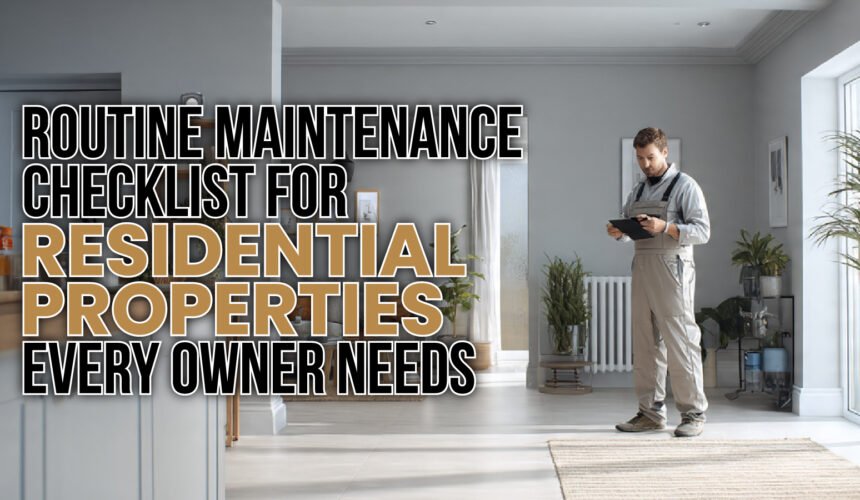
Keeping a residential property in good condition is not just about appearance — it directly affects safety, compliance, tenant satisfaction and long-term asset value.
For UK homeowners and landlords, routine maintenance is the single most effective way to avoid emergency repairs, expensive refurbishments and avoidable disputes.
This complete, practical guide gives you a real-world, professional routine maintenance checklist that property owners actually use — not generic advice.
It also explains how a professional property services provider such as Gohaych Services can help you implement and manage routine maintenance properly.
You can view their residential services here:
👉 https://gohaychservices.co.uk/services/
Or request maintenance support here:
👉 https://gohaychservices.co.uk/get-a-quote/
Why routine maintenance matters more than ever
Many property owners only act when something breaks.
That approach almost always leads to:
- higher repair costs
- faster deterioration of building components
- tenant dissatisfaction
- compliance risks
- emergency call-outs
Routine maintenance protects your property in three critical ways:
1. It prevents expensive failures
Small leaks, worn seals, loose fittings and blocked drainage become major repairs when ignored.
2. It protects your legal position as an owner or landlord
Poor maintenance can expose you to claims and enforcement action.
3. It preserves long-term value
Well-maintained properties age far more slowly.
How this checklist should be used
This guide is structured into:
- monthly checks
- quarterly checks
- bi-annual checks
- annual safety and compliance checks
- seasonal maintenance
If you follow this structure, you will cover more than 90% of common residential maintenance risks.
Monthly routine maintenance checklist
These checks take very little time and prevent most short-term issues.
Electrical and safety
- Test smoke alarms and carbon monoxide detectors
- Check hallway and stair lighting
- Test bathroom extractor fans
Plumbing and water
- Inspect taps for dripping or loose fittings
- Check under sinks for moisture
- Inspect visible pipework for corrosion
Doors, windows and security
- Check locks and handles
- Inspect window seals and frames
- Check internal door alignment
General condition
- Look for cracks in walls and ceilings
- Inspect flooring for lifting or damage
- Check signs of mould or damp
Quarterly routine maintenance checklist
These checks reduce long-term system failures.
Heating and hot water
- Check boiler pressure
- Inspect visible pipe insulation
- Test heating controls and thermostats
Ventilation and damp prevention
- Inspect bathroom and kitchen ventilation
- Check for condensation build-up
- Inspect external air bricks
External fabric
- Inspect gutters and downpipes for blockages
- Check brickwork for cracking
- Inspect sealant around windows and doors
Loft and storage areas
- Check for signs of pests
- Inspect insulation condition
- Ensure loft access remains safe
Bi-annual routine maintenance checklist
These inspections protect the structural envelope of the property.
Roof and rainwater systems
- Check slipped or broken tiles
- Inspect flashing and roof junctions
- Ensure downpipes discharge correctly
External walls and finishes
- Inspect render and pointing
- Check timber cladding and trims
- Inspect painted surfaces for peeling
Grounds and boundaries
- Inspect fencing and gates
- Check paving and paths for trip hazards
- Inspect drainage channels
Annual safety and compliance checklist (critical for landlords)
This section is essential for UK landlords.
Gas safety
- Annual gas safety inspection by a qualified engineer
- Record and retain certification
Electrical safety
- Electrical inspection (EICR) as required
- Address remedial actions promptly
Fire safety
- Confirm smoke and heat alarm placement
- Inspect escape routes
- Test emergency lighting where applicable
General compliance
- Check handrails and stair safety
- Inspect glazing in critical areas
- Review property licensing requirements (if applicable)
Seasonal maintenance checklist
Seasonal checks reduce weather-related damage.
Spring
- Inspect roofs after winter storms
- Check external drainage
- Inspect garden boundaries
Summer
- External painting and repairs
- Check ventilation performance
- Inspect outdoor electrical points
Autumn
- Clear gutters and drains
- Check seals and insulation
- Prepare heating systems
Winter
- Protect exposed pipework
- Check heating reliability
- Monitor condensation and humidity
High-risk areas owners commonly forget
The most common expensive repairs start in overlooked locations:
- behind kitchen units
- under baths and showers
- inside boxing around pipework
- loft corners
- behind wardrobes
These areas should be visually checked during quarterly inspections.
How routine maintenance protects your rental income
For landlords, routine maintenance directly impacts profitability.
Fewer void periods
Tenants are far more likely to renew when:
- repairs are addressed quickly
- common areas remain clean and functional
- safety concerns are taken seriously
Fewer disputes
Maintenance logs and inspection records are powerful evidence in any tenancy dispute.
Better long-term resale value
Properties with documented maintenance history perform better during surveys and valuations.
DIY maintenance vs professional maintenance support
Basic visual inspections can be done by owners.
However, many maintenance tasks require:
- qualified trades
- compliance certification
- insurance-backed workmanship
Common mistakes with DIY-only maintenance include:
- missed safety issues
- poor diagnosis of leaks
- incomplete repairs
- lack of records
This is where a professional maintenance partner becomes valuable.
You can explore structured residential maintenance support here:
👉 https://gohaychservices.co.uk/services/
Creating a simple maintenance schedule for your property
To make this checklist usable, create a simple schedule:
Monthly
- visual inspection
- alarms test
- plumbing checks
Quarterly
- heating and ventilation
- gutters and air bricks
- loft inspection
Bi-annual
- roof and external inspection
- boundary and drainage
Annual
- safety and compliance inspections
- documentation review
This structured approach prevents most emergency situations.
Why many owners now outsource routine maintenance
Property owners increasingly outsource routine maintenance because it:
- saves time
- reduces stress
- improves response times
- ensures compliance is not missed
- creates proper documentation
Instead of coordinating plumbers, electricians and inspectors individually, owners deal with one organised service provider.
How Gohaych Services supports residential maintenance
Gohaych Services provides structured residential maintenance and property support that helps owners:
- organise routine inspections
- coordinate qualified trades
- manage compliance requirements
- record maintenance activity
- resolve issues before they escalate
Instead of reacting to problems, property owners follow a controlled, preventative maintenance approach.
You can view their full residential service support here:
👉 https://gohaychservices.co.uk/services/
And if you would like help implementing a maintenance plan for your property, you can request support here:
👉 https://gohaychservices.co.uk/get-a-quote/
Frequently asked questions
How often should a residential property be inspected?
At minimum:
- visual inspections monthly
- operational checks quarterly
- safety and compliance annually
More complex or high-occupancy properties may require more frequent reviews.
Is routine maintenance a legal requirement for landlords?
Landlords must maintain properties in safe and habitable condition and comply with safety regulations.
Routine maintenance is the practical way to meet those obligations.
Can routine maintenance reduce insurance claims?
Yes. Many insurers expect reasonable preventative maintenance and documented inspection activity.
Should tenants perform routine checks?
Tenants can report issues, but responsibility for maintenance and safety remains with the owner or managing party.
Final thoughts
Routine maintenance is not optional if you want to protect a residential property.
It:
- reduces repair costs,
- prevents legal and compliance problems,
- improves tenant satisfaction, and
- protects long-term asset value.
If you want to move from reactive repairs to a professional maintenance strategy, you can explore structured residential support at:
👉 https://gohaychservices.co.uk/
👉 https://gohaychservices.co.uk/services/
👉 https://gohaychservices.co.uk/get-a-quote/
A well-maintained property is not just easier to manage — it is far more profitable, safer and future-ready.