
Commercial buildings need constant attention. When repairs get delayed, inspections become inconsistent or contractors respond too slowly, small issues can quickly become expensive problems. Therefore, commercial property maintenance matters for UK business owners, commercial landlords, facilities managers, property managers and office teams in 2026.
A leaking roof can disrupt a retail unit. Poor heating can affect an office team. Blocked drainage can damage a restaurant or hotel. Meanwhile, weak contractor management can leave tenants, staff or customers dealing with avoidable disruption. Because of this, commercial property maintenance should never rely on last-minute fixes only.
The right plan helps businesses manage commercial building maintenance, business property repairs, planned maintenance, inspections, contractor coordination and long-term building condition. More importantly, it helps protect daily operations, tenant satisfaction and property value.
This guide explains what commercial property maintenance includes, why it matters in 2026, what affects cost and how Gohaych Services can help UK businesses keep commercial premises in better condition.
What Is Commercial Property Maintenance?
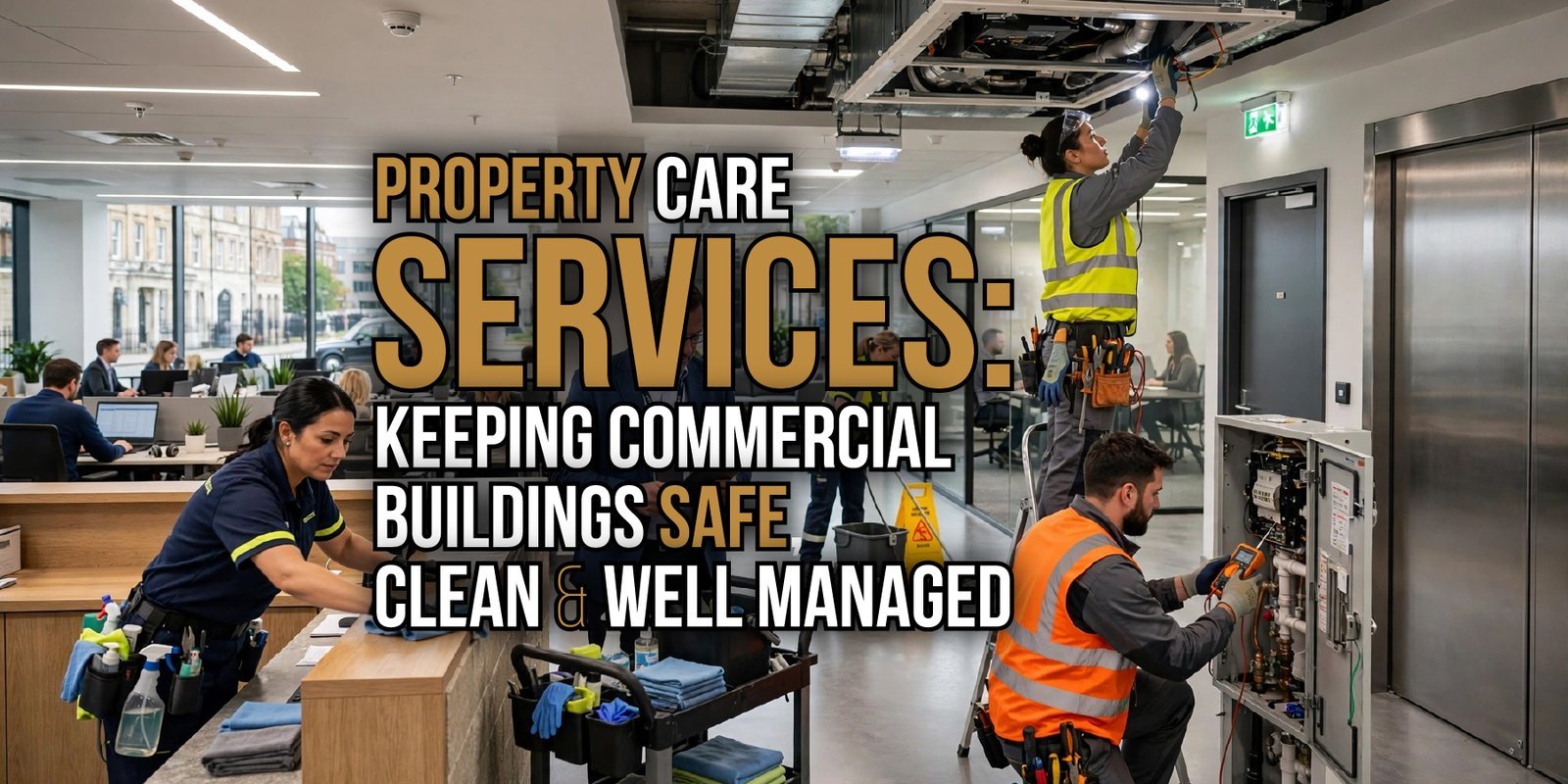
Commercial property maintenance is the ongoing care, repair and management of business premises. It covers regular checks, planned maintenance, urgent repairs, contractor coordination and practical improvements that help keep a commercial building usable, presentable and functional.
Commercial properties can include:
- Offices
- Retail units
- Warehouses
- Restaurants
- Hotels
- Industrial units
- Mixed-use buildings
- Commercial rental units
- High-street premises
- Managed property portfolios
- Older UK commercial buildings
- Landlord-owned business premises
Good commercial property maintenance keeps buildings working properly. It also helps owners identify minor defects before they turn into major repair costs. For example, a small gutter problem can become water damage if nobody checks it. Similarly, a faulty lock can affect access control, staff confidence and tenant satisfaction.
Property maintenance services can support both planned work and urgent issues. However, the strongest approach combines routine inspections, repair planning and reliable contractor support.
Why Commercial Property Maintenance Matters in 2026
Commercial property maintenance matters in 2026 because businesses face rising costs, tighter budgets and higher expectations from tenants, customers and staff. Delayed repairs can now create bigger financial pressure because labour, materials and emergency callouts often cost more than planned work.
Many UK businesses still handle repairs reactively. They wait until something breaks, then rush to find a contractor. However, this approach can disrupt operations and make commercial building maintenance harder to control.
A proper commercial property maintenance plan helps with:
- Reducing costly emergency repairs
- Improving building condition
- Supporting tenant satisfaction
- Reducing staff disruption
- Managing repair budgets
- Coordinating contractors more effectively
- Supporting compliance awareness
- Protecting long-term property value
- Reducing downtime
- Planning future upgrades
For landlords and property managers, maintenance also affects reputation. Tenants expect quick responses, clear communication and buildings that stay in good working order. Therefore, planned maintenance should sit at the centre of every commercial property strategy.
What Does Commercial Building Maintenance Include?
Commercial building maintenance covers the practical tasks that keep a building operating properly. The exact work depends on property type, age, usage, condition and tenant needs.
Plumbing checks
Plumbing checks help identify leaks, blocked pipes, poor water pressure and drainage issues. In restaurants, hotels, offices and retail units, plumbing problems can disrupt trading quickly.
Electrical checks
Electrical issues need prompt attention. Businesses should report flickering lights, faulty sockets, power interruptions and visible damage.
Heating and ventilation
Heating and ventilation affect staff comfort, customer experience and building performance. Poor systems can increase complaints and energy waste.
Roof and gutter maintenance
Roof and gutter issues often create expensive water damage when ignored. Planned maintenance helps owners spot problems before leaks spread.
Drainage checks
Blocked drains can affect commercial units, restaurants, warehouses and mixed-use buildings. Regular checks can reduce disruption.
Doors, windows and locks
Doors, windows and locks affect access, daily use and building condition. Damaged fittings can also create operational issues.
Flooring and walls
Damaged flooring or walls can affect presentation, usability and tenant satisfaction. Retail units, hotels and offices need these areas checked regularly.
Lighting repairs
Good lighting supports staff, customers and daily operations. Poor lighting can make business premises feel neglected.
External building repairs
External repairs include brickwork, cladding, signage areas, pathways, entrances and exterior surfaces.
Washroom maintenance
Washrooms affect customer and employee experience. Leaks, broken fixtures and poor finishes need quick attention.
Fire safety-related checks
Businesses should stay aware of fire safety-related building issues, such as blocked access routes, damaged doors, emergency lighting concerns and reporting procedures.
General business property repairs
Business property repairs may include small fixes, urgent callouts, joinery, decoration, door repairs, minor refurbishments and practical maintenance work.
Together, these tasks form the foundation of commercial property maintenance.
Planned Maintenance vs Reactive Business Property Repairs
Planned maintenance means organising checks, servicing and repairs before issues become urgent. Reactive business property repairs happen after something breaks or becomes disruptive.
Both have a place. However, relying only on reactive repairs can increase costs and pressure.
Planned maintenance helps business owners:
- Reduce unexpected costs
- Avoid avoidable disruption
- Improve contractor availability
- Protect tenants and staff
- Manage budgets more effectively
- Spot repeated issues
- Keep buildings in better condition
- Reduce emergency callouts
Reactive repairs may still happen. For example, a pipe can burst or a lock can break suddenly. However, regular commercial property maintenance reduces the number of emergencies by identifying weak areas early.
For commercial landlords, planned maintenance also helps with communication. Tenants can prepare for scheduled works, rather than dealing with sudden disruption.
Commercial Property Maintenance Costs: What Affects the Price?
Commercial property maintenance costs vary because every building has different needs. A small retail unit will not need the same maintenance level as a large warehouse, hotel or mixed-use property.
The main cost factors include:
Property size
Larger buildings usually need more inspections, more labour and more materials.
Building age
Older UK commercial buildings often need more frequent checks because roofs, electrics, drainage, flooring and fixtures may show wear.
Maintenance frequency
Regular planned maintenance can cost less over time than repeated emergency repairs.
Repair urgency
Urgent business property repairs often cost more because contractors may need to respond quickly.
Contractor availability
Specialist trades may cost more during busy periods or short-notice callouts.
Material quality
Cheaper materials may fail faster. Better materials can support longer-term value.
Access requirements
Some buildings need specialist access for roofs, external repairs, high ceilings or hard-to-reach areas.
Tenant disruption
If work affects trading hours or tenant operations, planning becomes more important.
Compliance-related work
Some commercial building maintenance tasks may connect with landlord responsibilities, safety awareness or required inspections.
Long-term maintenance planning
A structured plan can help businesses budget more effectively and reduce surprise costs.
Because of these factors, commercial property maintenance should focus on value, not only the cheapest quote.
Commercial Property Maintenance Comparison Table
| Maintenance Task | Why It Matters | Risk of Delaying It | Best Planning Tip |
|---|---|---|---|
| Roof and gutter checks | Helps prevent water damage | Leaks, damp, ceiling damage | Inspect before heavy rain seasons |
| Plumbing checks | Keeps water systems working | Leaks, flooding, business disruption | Fix small leaks early |
| Electrical issue reporting | Supports daily operations | Power issues, equipment downtime | Report faults immediately |
| Heating and ventilation | Supports comfort and usability | Tenant complaints, poor working conditions | Schedule seasonal checks |
| Drainage maintenance | Reduces blockage problems | Bad odours, flooding, closure risk | Plan routine drainage checks |
| Doors and locks | Supports access and use | Entry problems, business disruption | Repair damaged fittings quickly |
| Washroom maintenance | Affects staff and customer experience | Complaints and hygiene issues | Check regularly in busy premises |
| External repairs | Protects appearance and structure | Kerb appeal decline, worsening damage | Review exterior condition quarterly |
This table shows why commercial property maintenance works best when owners act early.
Property Maintenance Services for Different Commercial Buildings
Different buildings need different property maintenance services.
Offices
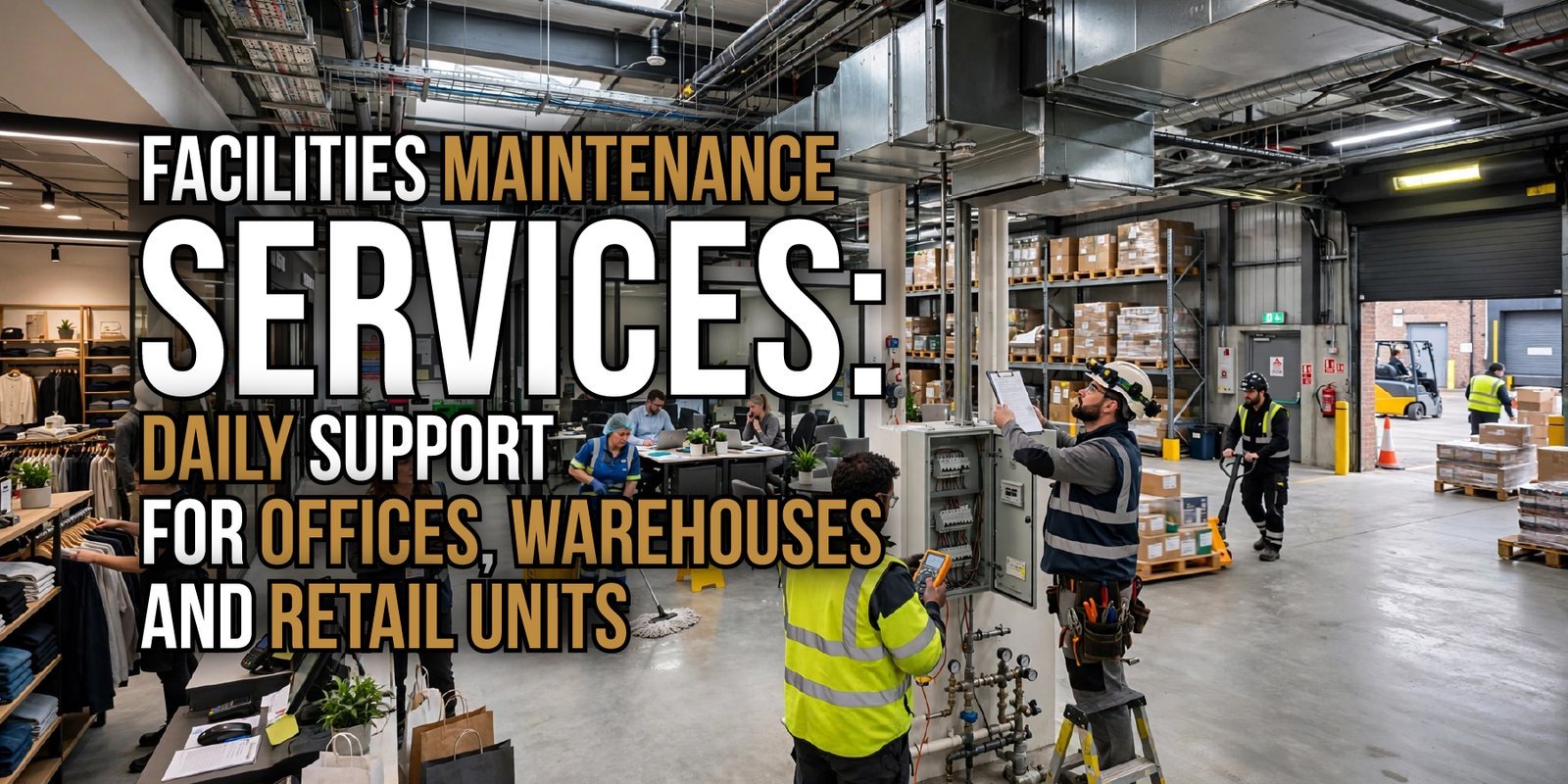
Offices often need lighting repairs, heating checks, washroom maintenance, electrical issue reporting, decoration, doors, flooring and planned maintenance.
Retail premises
Retail units need quick business property repairs because disruption can affect sales. Entrances, signage areas, flooring, lighting and customer-facing spaces matter.
Warehouses
Warehouses need roof checks, drainage, loading areas, doors, flooring, lighting, heating and external repairs. Delays can affect operations and stock movement.
Restaurants
Restaurants need plumbing, drainage, ventilation, washrooms, flooring, lighting and urgent repair support because customer service depends on building condition.
Hotels
Hotels need regular room, corridor, washroom, heating, plumbing and public area checks. Maintenance quality directly affects guest experience.
Mixed-use buildings
Mixed-use buildings may need wider coordination because residential, retail and office areas can share systems or access points.
A strong commercial property maintenance plan should match the building type, tenant needs and operational risk.
How Property Management Supports Commercial Maintenance
Professional property management can make commercial property maintenance easier by improving scheduling, communication and contractor coordination.
Property management support can help with:
- Maintenance planning
- Tenant communication
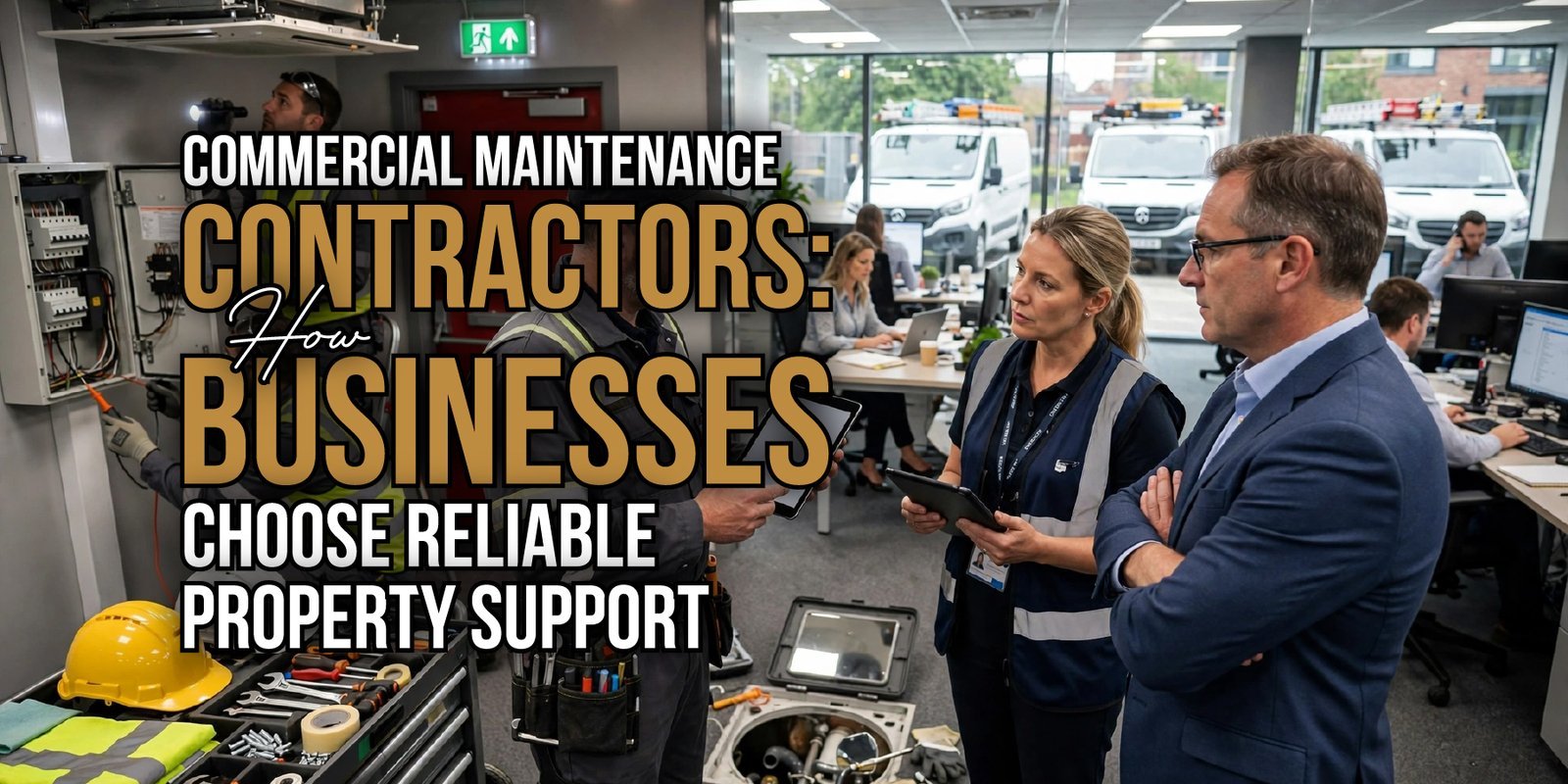
- Contractor coordination
- Repair logging
- Inspection scheduling
- Emergency repair response
- Budget tracking
- Follow-up checks
- Long-term cost control
Gohaych Services explains the wider property management benefits for landlords and property owners, including time savings, cost savings, repair coordination and reduced management stress.
For commercial landlords, professional support can be especially useful when managing multiple units, older buildings or busy tenant environments. Instead of reacting to every issue separately, property management helps create a clearer maintenance process.
If repairs, inspections and tenant communication take too much time, property management support can help keep commercial property maintenance more organised.
When Business Property Renovation Makes More Sense Than Repair
Sometimes repeated repairs show that a building needs more than maintenance. In these cases, business property renovation may offer better long-term value.
Renovation may make more sense when:
- The same repair keeps returning
- Fixtures are outdated
- Layouts no longer support tenant needs
- Energy performance is poor
- Washrooms need upgrading
- Flooring or walls look worn
- External areas affect first impressions
- Old systems create regular problems
- Maintenance costs keep rising
For example, repeatedly fixing an old washroom may cost more over time than upgrading it properly. Similarly, patching roof problems again and again may not solve the underlying issue.
Gohaych Services has a guide to business property renovation and property upgrades that increase ROI. This can help commercial property owners decide when commercial renovation planning offers better long-term value than repeated repairs.
Good commercial property maintenance should therefore include regular review of whether repair, replacement or renovation makes the most sense.
Commercial Property Maintenance Checklist for UK Businesses
Use this checklist to review your current commercial property maintenance process.
Monthly building inspections
- Check common areas
- Review entrances and exits
- Look for visible damage
- Note tenant or staff concerns
- Record small defects early
Seasonal maintenance checks
- Review roofs and gutters
- Check heating before winter
- Review ventilation before warmer months
- Inspect drainage before heavy rain
- Check external surfaces
Emergency repair planning
- Keep contractor contacts ready
- Define urgent repair procedures
- Record who approves emergency work
- Inform tenants or staff quickly
- Track repair timelines
Contractor contact list
- Keep plumber, electrician and general maintenance contacts
- Review contractor reliability
- Keep emergency contacts updated
- Record previous work quality
- Compare value, not only price
Core building checks
- Roof and gutter checks
- Heating and ventilation checks
- Plumbing and drainage checks
- Electrical issue reporting
- External property checks
- Doors, windows and locks
- Washroom condition checks
- Lighting checks
Reporting and budgeting
- Create a tenant or staff repair reporting process
- Keep a planned maintenance schedule
- Review maintenance budgets
- Track repeat repairs
- Plan future property maintenance services
This checklist helps UK businesses manage commercial property maintenance more consistently.
Common Commercial Property Maintenance Mistakes to Avoid
Waiting until repairs become urgent
Urgent repairs often cost more and create more disruption. Planned maintenance reduces pressure.
Ignoring small defects
Small leaks, cracks, loose fittings or drainage issues can become larger repairs.
Choosing contractors only by price
Cheap work can fail quickly. Compare reliability, experience and long-term value.
Not documenting repairs
Without records, businesses cannot track repeat issues or contractor performance.
Skipping planned maintenance
Skipping planned maintenance may save money briefly, but it often increases long-term costs.
Forgetting seasonal checks
Weather changes can affect roofs, gutters, drainage, heating and external areas.
Ignoring tenant or staff feedback
Tenants and staff often notice problems early. Their feedback can help prevent larger issues.
Delaying business property repairs
Delays can disrupt trading, reduce tenant satisfaction and damage building condition.
Not budgeting for maintenance
Commercial property maintenance needs a realistic budget. Waiting for emergencies makes cost control harder.
Failing to review long-term renovation needs
Repeated repairs may signal the need for upgrades or renovation.
How Commercial Maintenance Protects Long-Term Value
Commercial property maintenance protects business operations, improves tenant satisfaction, reduces long-term costs, supports building performance and protects property value.
A well-maintained building looks more professional, works more efficiently and creates fewer operational surprises. Tenants are more likely to stay when repairs happen quickly and communication remains clear. Business owners also gain better control over budgets because planned work reduces emergency pressure.
In addition, commercial property maintenance supports long-term asset value. Buildings that receive regular attention usually avoid the gradual decline that comes from neglected repairs.
For landlords, facilities managers and business owners, maintenance is not only a repair function. It is part of property performance, tenant retention and commercial planning.
People Also Ask
What does commercial property maintenance include?
Commercial property maintenance includes inspections, plumbing checks, electrical issue reporting, heating and ventilation, roof and gutter checks, drainage, lighting repairs, washroom maintenance and general business property repairs.
Why is commercial building maintenance important?
Commercial building maintenance is important because it helps prevent costly repairs, reduce disruption, support tenant satisfaction and protect long-term property value.
How often should commercial properties be inspected?
Commercial properties should usually receive regular monthly checks, seasonal inspections and urgent reviews after storms, leaks, tenant reports or visible damage.
What is planned maintenance for commercial buildings?
Planned maintenance means scheduling inspections, servicing and repairs before issues become urgent. It helps control costs, reduce disruption and improve contractor planning.
When should a business renovate instead of repair?
A business should consider renovation when the same issue keeps returning, systems are outdated, repair costs keep rising or the building no longer supports tenant or business needs.
Conclusion
Commercial property maintenance matters for every UK business owner, landlord, facilities manager and property decision-maker who wants to reduce disruption and protect building value. In 2026, delayed repairs, weak inspections, reactive maintenance and poor contractor management can quickly increase costs.
A strong maintenance plan covers commercial building maintenance, planned maintenance, business property repairs, inspections, contractor coordination and long-term improvement planning. It also helps businesses support tenants, reduce emergency repairs and keep premises in better condition.
The best approach combines regular checks, clear reporting, reliable contractors and smart decisions about when to repair, replace or renovate. If your building needs repeated repairs, poor communication or urgent callouts, now is the right time to review your commercial property maintenance process.
Keep Your Commercial Property in Better Condition
Need reliable commercial property maintenance for your office, retail unit, warehouse, or business premises? Request a quote from Gohaych Services today and get professional property maintenance support built around your building.
Whether you need commercial building maintenance, business property repairs, planned maintenance, contractor coordination, inspections or property maintenance services, Gohaych Services can help you create a more reliable maintenance process.
If you want to reduce disruption, improve building condition and protect long-term value, speak to Gohaych Services and get a commercial property maintenance quote today.