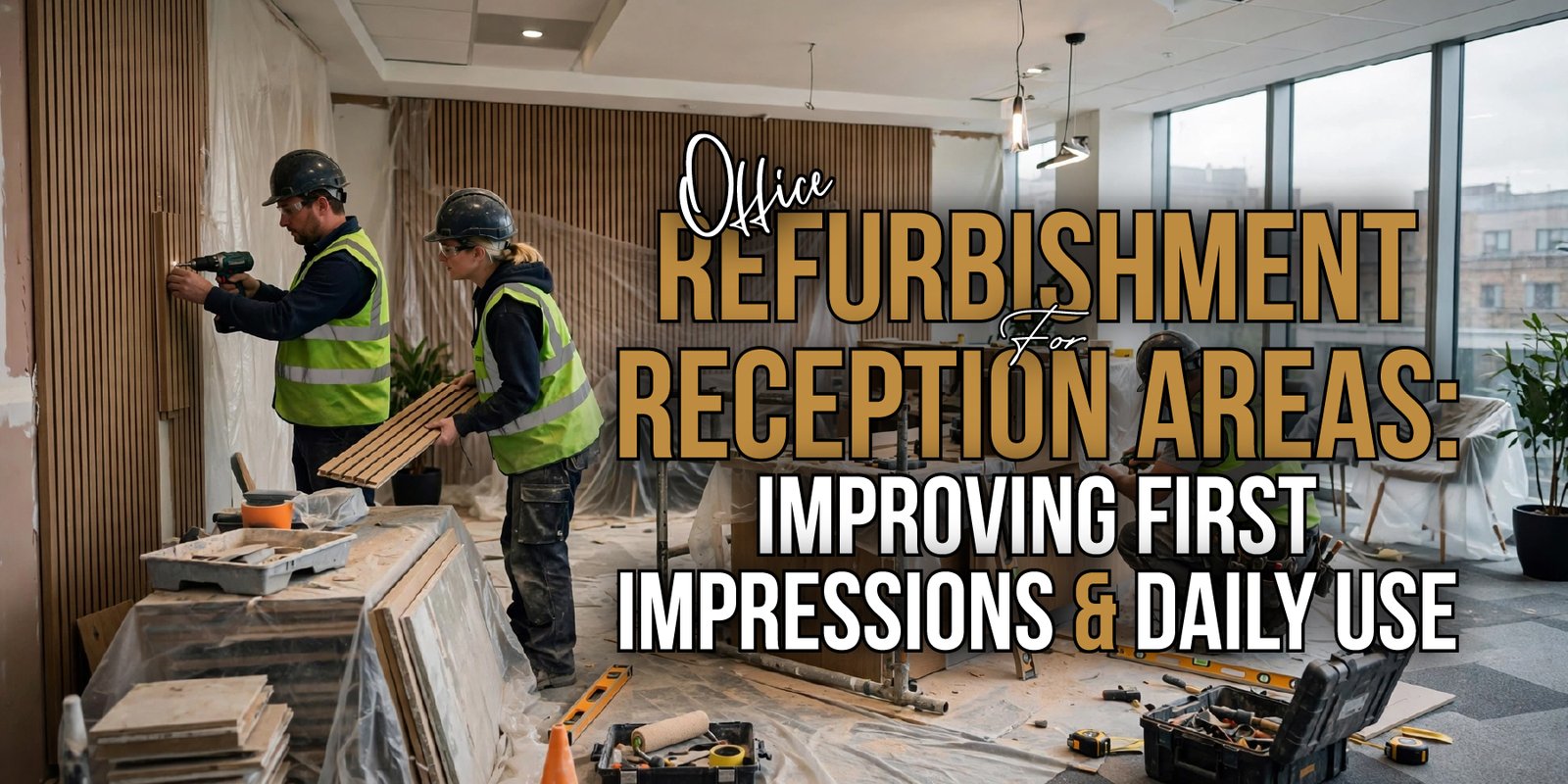
Planned property maintenance helps UK businesses avoid costly disruption by fixing building issues before they become urgent. Poor maintenance planning, delayed repairs, water leaks, electrical faults, heating issues, drainage problems, roof defects and worn finishes can disrupt operations, increase costs and affect staff, tenants and customers.
Commercial properties need regular attention because small defects can quickly become expensive. For example, a blocked gutter can cause water damage. A minor heating fault can affect staff comfort. Meanwhile, worn flooring, faulty lighting or damaged doors can create daily problems for employees, visitors and tenants.
That is why planned property maintenance should form part of every commercial property strategy. With regular inspections, preventive building maintenance, a clear property repair schedule and organised business premises maintenance, owners and managers can reduce emergency repairs and protect long-term building performance.
Quick Answer: What Is Planned Property Maintenance?
Planned property maintenance means checking, repairing and maintaining commercial buildings on a regular schedule before problems become urgent. It can include roof inspections, drainage checks, plumbing, electrics, heating, ventilation, flooring, doors, windows, washrooms, shared areas, contractor records and preventive building maintenance.
Key Takeaways
- Planned property maintenance helps businesses reduce emergency repairs and avoid avoidable disruption.
- Preventive building maintenance spots small problems before they become expensive.
- A property repair schedule helps businesses prioritise work and plan maintenance budgets.
- Commercial maintenance planning should match property type, age, use and tenant needs.
- Regular business premises maintenance supports building condition, tenant satisfaction and long-term value.
What Is Planned Property Maintenance?
Planned property maintenance is a proactive approach to maintaining commercial buildings through scheduled checks, repairs and improvements. Instead of waiting for something to fail, businesses create a maintenance plan that reviews the building regularly.
It can include:
- Roof inspections
- Gutter and drainage checks
- Plumbing checks
- Electrical inspections
- Heating and ventilation checks
- Door and window checks
- Flooring inspections
- Lighting checks
- Washroom maintenance
- Shared area checks
- External repairs
- Decorating and finishes
- Emergency repair reviews
- Contractor visit records
A good planned property maintenance process helps property owners understand what needs attention, what can wait and what may become costly if ignored.
For example, a managed office building may need regular lighting, heating, washroom and shared area checks. A warehouse may need roof, loading bay, drainage and door inspections. Meanwhile, a restaurant may need closer attention to plumbing, ventilation, drainage and high-traffic flooring.
Why Planned Property Maintenance Matters for UK Businesses
Planned property maintenance matters because commercial buildings support daily operations. When buildings fail, businesses lose time, tenants complain and repair costs can rise quickly.
Planned maintenance can help businesses:
- Reduce emergency repairs
- Avoid downtime
- Plan maintenance budgets
- Improve building condition
- Protect tenant satisfaction
- Reduce recurring defects
- Improve staff and visitor experience
- Support long-term property performance
- Keep contractor visits organised
- Improve business premises maintenance
For commercial landlords, planned property maintenance protects the asset. For facilities managers, it creates better control. For business owners, it reduces disruption to trading, staff and customers.
However, delayed repairs often create bigger problems. A small roof issue can damage ceilings. A minor drainage fault can affect entrances. A heating issue can make offices uncomfortable during winter. Therefore, commercial maintenance planning gives businesses time to act before costs increase.
Planned Property Maintenance vs Reactive Repairs
Planned maintenance and reactive repairs both have a place. However, businesses that rely only on reactive repairs often face more disruption.
| Maintenance Approach | What It Means | Best For | Main Risk | Cost Impact | Planning Tip |
|---|---|---|---|---|---|
| Planned property maintenance | Scheduled inspections and repairs | Long-term building care | Needs regular management | Helps control costs | Create a quarterly review process |
| Reactive repairs | Fixing issues after they happen | Urgent faults | More disruption | Can become expensive | Track repeat issues |
| Preventive building maintenance | Early action to stop failures | Avoiding emergency repairs | Easy to delay | Reduces surprise costs | Use inspection checklists |
| Seasonal maintenance | Checks before weather changes | Roofs, heating, drainage | Missed timing | Reduces winter and storm issues | Plan before peak seasons |
| Maintenance-led refurbishment | Repairs linked to improvement work | Older buildings and offices | Scope can grow | Supports long-term value | Link repairs with upgrade goals |
This comparison shows why planned property maintenance gives businesses more control than waiting for problems to appear.
What Should a Planned Property Maintenance Schedule Include?
A property repair schedule should cover the areas most likely to affect business operations, tenant experience and building condition.
Planned Property Maintenance for Roofs and Drainage
Roof inspections, gutter clearing and drainage checks help reduce water-related problems. These checks matter especially before winter and after heavy rain.
Planned Property Maintenance for Plumbing and Heating
Plumbing, heating and ventilation checks help prevent disruption in offices, restaurants, retail units and multi-tenant buildings.
Planned Property Maintenance for Shared Areas
Shared areas need regular inspections because tenants, staff and visitors use them every day.
A strong schedule should include:
- Roof inspections
- Gutter and drainage checks
- Plumbing checks
- Electrical inspections
- Heating and ventilation checks
- Door and window checks
- Flooring inspections
- Lighting checks
- Washroom maintenance
- Shared area checks
- External repairs
- Decorating and finishes
- Emergency repair review
- Contractor visit records
A planned property maintenance schedule should also include notes, dates, photos and follow-up actions. This makes the process easier to review later.
Preventive Building Maintenance: How It Reduces Disruption
Preventive building maintenance helps businesses spot small issues early. This can reduce emergency callouts, control repair costs, limit downtime and improve tenant satisfaction.
For example, a regular roof inspection may identify loose materials before a leak appears. A drainage check may prevent flooding near an entrance. Likewise, heating checks before winter can reduce the chance of cold offices and urgent repairs.
Preventive building maintenance can help with:
- Early fault detection
- Fewer emergency callouts
- Better budget planning
- Less operational downtime
- Improved tenant communication
- Lower repair pressure
- Better building condition
- Stronger maintenance compliance
Because of this, planned property maintenance should focus on prevention as much as repair. Businesses should not only fix visible problems. They should also review the systems and surfaces that keep the building running.
Commercial Maintenance Planning for Offices, Retail and Industrial Units
Commercial maintenance planning should match the property type. A retail unit does not always need the same maintenance schedule as a warehouse, office or restaurant.
Offices
Offices need lighting, heating, washrooms, flooring, shared areas and workspace condition checks. In managed office buildings, landlords may also need shared corridor, reception and communal area reviews.
Retail Units
Retail units need customer-facing finishes, entrances, signage areas, flooring, lighting and access routes. Because customers visit daily, small defects can affect first impressions quickly.
Warehouses
Warehouses need checks around loading areas, roller shutters, flooring, lighting, drainage, ventilation and roofs. Heavy daily use can create wear faster than in standard office spaces.
Restaurants
Restaurants need regular attention to plumbing, ventilation, washrooms, kitchen-adjacent areas, drainage and high-traffic finishes.
Multi-Tenant Buildings
Multi-tenant buildings need shared area inspections, tenant communication, access checks and contractor coordination. Clear records matter because several businesses may report issues at different times.
Good commercial maintenance planning helps each property type stay easier to manage. Therefore, planned property maintenance should never use a one-size-fits-all schedule.
How a Property Repair Schedule Helps Control Costs
A property repair schedule helps businesses prioritise work, avoid repeat issues and plan maintenance budgets. It also keeps contractor visits and maintenance records organised.
A good property repair schedule should include:
- Issue description
- Priority level
- Location
- Reported date
- Contractor assigned
- Repair status
- Cost estimate
- Completion date
- Photos if useful
- Follow-up actions
- Repeat issue notes
This structure helps managers control costs because it shows which repairs need immediate attention and which can form part of planned works.
For example, if a building has repeat lighting faults in one area, the issue may need a wider electrical review rather than repeated small callouts. If washroom repairs keep returning, a planned upgrade may offer better value than temporary fixes.
As a result, planned property maintenance helps managers spend more wisely rather than reacting under pressure.
Business Premises Maintenance: Areas You Should Check Regularly
Business premises maintenance should cover both visible and hidden areas. Some issues affect appearance, while others affect day-to-day use.
Regular checks should include:
- Entrances
- Reception areas
- Offices
- Corridors
- Staircases
- Washrooms
- Kitchens
- Meeting rooms
- Storage areas
- Loading bays
- Car parks
- External walls
- Roofs
- Gutters
- Windows and doors
Entrances and reception areas influence visitor impressions. Corridors and staircases affect movement. Washrooms and kitchens affect staff and tenant satisfaction. Meanwhile, roofs, gutters and external walls protect the building from larger defects.
Because these areas work together, planned property maintenance should review the full premises, not only the most obvious faults.
How Office Refurbishment and Maintenance Work Together
Planned maintenance often reveals when a building needs wider improvement. For example, repeated flooring repairs, poor lighting, worn finishes or inefficient layouts may show that basic repairs no longer solve the problem.
This is where office refurbishment for workspace value can connect with planned property maintenance. Refurbishment planning for business premises can help when repairs, decorating, flooring, lighting or layout improvements should become part of a bigger workspace improvement plan.
For example:
- Worn flooring may need replacement, not patch repairs.
- Poor lighting may need a full upgrade, not repeated bulb changes.
- Damaged walls may need decorating after underlying damp gets fixed.
- Inefficient layouts may need workspace improvement planning.
- Older offices may need maintenance-led refurbishment.
Therefore, planned property maintenance can help owners decide when to repair, when to upgrade and when to plan commercial office upgrades.
How Commercial Property Maintenance Supports Long-Term Building Performance
Ongoing commercial property maintenance supports long-term building performance by reducing emergency repair pressure and keeping property condition under review.
Commercial property maintenance can help with:
- Planned repairs
- Reactive repair reduction
- Preventive maintenance
- Inspection schedules
- Building condition reviews
- Contractor coordination
- Shared area maintenance
- Property maintenance services
- Maintenance support for commercial buildings
When businesses combine commercial building maintenance with planned property maintenance, they gain a clearer view of building condition. This helps managers protect tenant satisfaction, reduce disruption and avoid preventable repair issues.
In addition, ongoing maintenance helps older commercial buildings stay more reliable because managers can review defects before they spread.
Planned Property Maintenance Costs UK: What Affects the Budget?
Planned property maintenance costs in the UK depend on property type, condition and how much work the building needs.
Common cost factors include:
Property Size
Larger buildings usually need more inspections, more materials and more contractor time.
Property Age
Older commercial buildings often need closer monitoring and more frequent repairs.
Building Condition
A poorly maintained building may need more urgent work before regular maintenance becomes manageable.
Number of Tenants
Multi-tenant buildings often need more communication, shared area checks and contractor coordination.
Business Type
Restaurants, warehouses, offices and retail units all create different maintenance pressure.
Repair History
Buildings with repeat faults may need more structured preventive building maintenance.
Inspection Frequency
More frequent inspections can increase management time but may reduce emergency repair risk.
Contractor Access
Occupied premises, restricted access and out-of-hours work can affect costs.
Seasonal Maintenance Needs
Roofs, gutters, heating and drainage often need seasonal planning.
Emergency Repair History
A history of emergency repairs may show where planned maintenance should increase.
Materials
Flooring, lighting, doors, plumbing parts and finishes can affect the budget.
Commercial Maintenance Planning Requirements
Complex sites may need more detailed commercial maintenance planning and record keeping.
Need a Maintenance Plan Before Problems Grow?
If your commercial property has repeat repairs, worn finishes, drainage issues, heating faults, lighting problems or tenant complaints, it may be time to plan maintenance before costs rise.
Gohaych Services can help businesses, landlords and property managers build practical maintenance plans for offices, retail units, warehouses, restaurants and commercial buildings.
To review your property needs, get a planned property maintenance quote and speak to Gohaych Services about support built around your building, schedule and repair priorities.
Planned Property Maintenance Checklist
Use this checklist before creating a planned property maintenance process.
- Review current building condition
- List recurring repair issues
- Create a property repair schedule
- Check roof and drainage
- Inspect plumbing and heating
- Review electrical and lighting needs
- Check doors, windows and access points
- Inspect floors, walls and ceilings
- Review washroom condition
- Check shared areas
- Track contractor visits
- Plan seasonal maintenance
- Set a maintenance budget
- Review business premises maintenance every quarter
- Speak to a professional maintenance team
This checklist helps businesses move away from reactive repair habits and towards better control.
Common Planned Property Maintenance Mistakes to Avoid
Waiting Until Repairs Become Urgent
Urgent repairs often cost more and cause more disruption.
Not Keeping a Maintenance Calendar
Without a calendar, managers may miss seasonal checks and recurring issues.
Ignoring Small Leaks
Small leaks can become expensive if water reaches ceilings, flooring or electrics.
Forgetting Gutters and Drainage
Blocked gutters and poor drainage can cause avoidable building damage.
Delaying Roof Inspections
Roof defects can create major internal problems if ignored.
Not Checking Heating Before Winter
Heating issues can disrupt staff, tenants and customers during colder months.
Ignoring Tenant or Staff Reports
Reports from people using the building can reveal early warning signs.
Choosing Contractors Only by Price
Low-cost quotes may not include the same quality, materials or follow-up support.
Not Tracking Repair History
Repair history helps identify repeat faults and poor long-term fixes.
Treating Maintenance as a One-Time Task
Business premises maintenance needs ongoing review.
Not Linking Maintenance Planning With Refurbishment Goals
Repairs and upgrades should support the same long-term property plan.
Failing to Compare Maintenance Support Options
Businesses should compare maintenance support before problems grow.
Avoiding these mistakes makes planned property maintenance more effective and commercially useful.
How Planned Maintenance Supports Long-Term Property Value
Planned property maintenance can reduce downtime, improve cost control, protect tenant satisfaction, support workplace efficiency, improve building condition, reduce emergency repairs and strengthen long-term commercial property value.
A well-maintained building feels easier to use. Tenants can report issues clearly. Contractors can follow repair histories. Managers can plan budgets with more confidence. Meanwhile, fewer emergency repairs can reduce disruption to trading, visitors and staff.
Long-term benefits include:
- Better building performance
- Fewer urgent repairs
- Improved tenant confidence
- Stronger staff and visitor experience
- Lower disruption risk
- Better maintenance records
- More predictable budgets
- Better long-term property appeal
Therefore, planned property maintenance should form part of a wider commercial property strategy.
People Also Ask
What is planned property maintenance?
Planned property maintenance means checking, repairing and maintaining a building on a regular schedule before problems become urgent. It helps reduce disruption, emergency repairs and long-term maintenance costs.
Why is planned property maintenance important for businesses?
Planned property maintenance is important because it helps businesses reduce downtime, control repair costs, improve building condition, protect tenant satisfaction and avoid disruption from urgent repairs.
What should a property maintenance schedule include?
A property maintenance schedule should include roof checks, drainage, plumbing, electrics, heating, ventilation, lighting, flooring, doors, windows, washrooms, shared areas and contractor records.
How does preventive building maintenance reduce costs?
Preventive building maintenance reduces costs by spotting small issues early, limiting emergency callouts, reducing repeat defects and helping businesses plan repair budgets before major problems appear.
How often should commercial properties be inspected?
Commercial properties should be inspected regularly based on size, age, condition, use and risk level. Many businesses review key areas monthly, quarterly and seasonally.
How can businesses avoid costly property repairs?
Businesses can avoid costly repairs by using planned property maintenance, tracking repair history, fixing small issues early, checking roofs and drainage and creating a clear property repair schedule.
Conclusion
Planned property maintenance helps UK businesses avoid costly disruption by keeping commercial buildings checked, repaired and organised before problems become urgent. It supports offices, retail units, restaurants, warehouses, industrial units, multi-tenant buildings and business premises with high daily footfall.
A strong maintenance plan should include preventive building maintenance, commercial maintenance planning, a property repair schedule and regular business premises maintenance. It should also cover roofs, gutters, drainage, plumbing, electrics, heating, ventilation, doors, windows, floors, washrooms and shared areas.
When businesses plan maintenance properly, they reduce emergency repairs, protect tenant satisfaction, improve building condition and support long-term property value.
Keep Your Property Running Without Costly Disruption
Need planned property maintenance for your office, retail unit, warehouse, or commercial building? Request a quote from Gohaych Services today and get business premises maintenance support built around your property, schedule, and long-term repair needs.
Whether you need preventive building maintenance, commercial maintenance planning, property repair scheduling, commercial building maintenance or wider property maintenance services, Gohaych Services can help you keep your premises running without costly disruption.