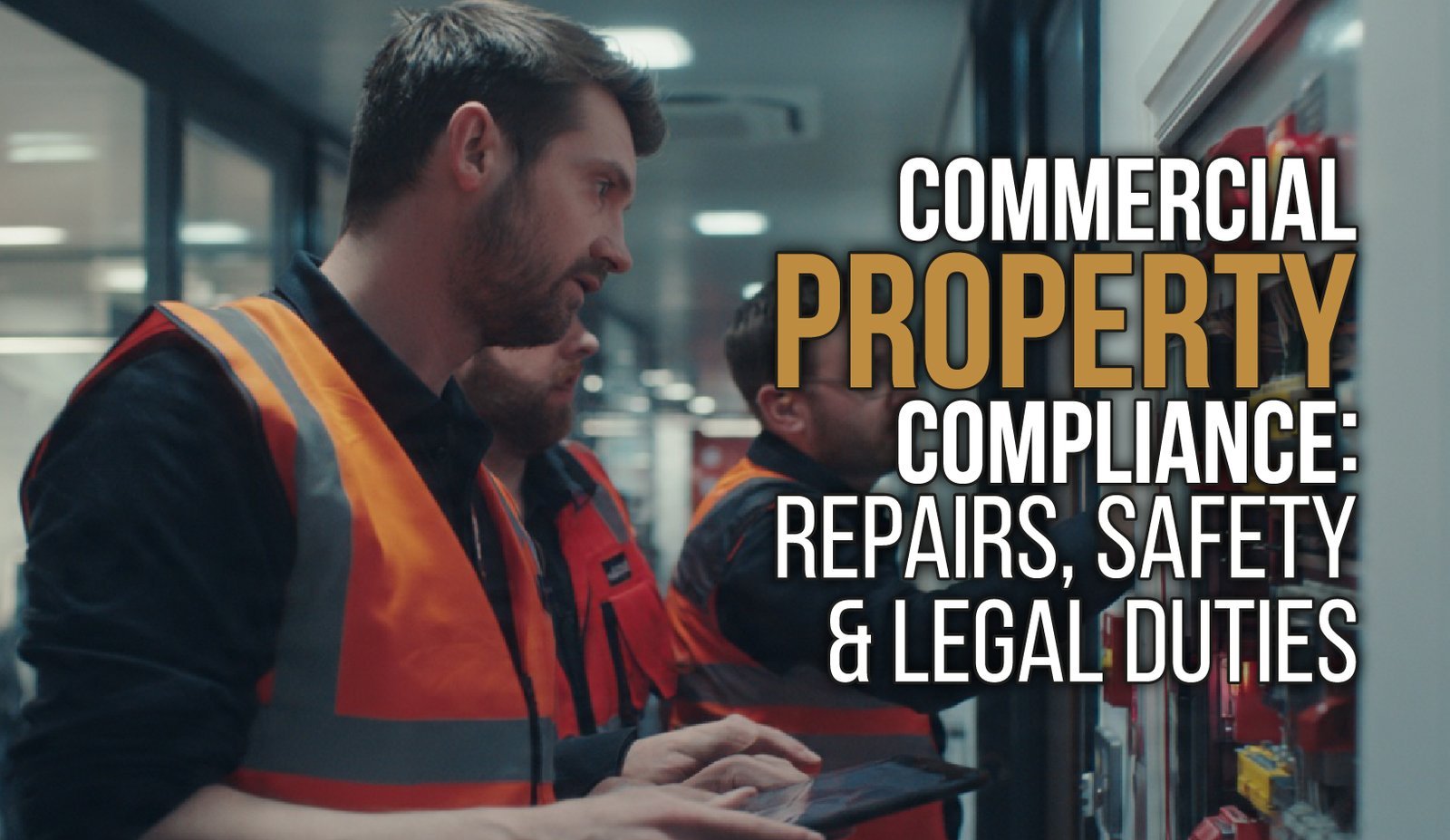
Commercial property compliance matters because missed repairs, poor records, outdated safety checks, weak contractor management and poor maintenance planning can create disruption, tenant complaints, higher costs and avoidable legal issues. For landlords, property managers and business owners, compliance is not a one-time task. Instead, it needs regular checks, clear responsibilities and organised building management.
Commercial buildings can include offices, retail units, restaurants, warehouses, industrial units, business parks, mixed-use properties, managed office buildings and multi-tenant premises. Each building may have different lease terms, risk levels, shared areas and maintenance needs.
Because of this, commercial property compliance should sit alongside planned maintenance, property safety checks, tenant communication and contractor coordination. When owners and managers take a structured approach, they can reduce repair pressure, improve building performance and keep commercial spaces easier to manage.
General Guidance Note
This article gives general guidance only. Commercial landlords, tenants, managing agents and property managers should check current UK regulations, lease terms and professional advice where legal duties apply. Responsibilities can vary depending on property type, use, location, lease agreements, risk level and who controls each part of the building.
Quick Answer: What Is Commercial Property Compliance?
Commercial property compliance means keeping a commercial building maintained, checked and documented in line with relevant responsibilities. It can include repairs, fire arrangements, electrical checks, gas checks, water hygiene, access, maintenance records, contractor management, tenant communication and regular property safety checks.
Key Takeaways
- Commercial property compliance is an ongoing responsibility, not a one-off exercise.
- Landlord compliance often depends on lease terms, shared areas, building condition and who controls the premises.
- Property safety checks and maintenance records help managers stay organised.
- Facilities management can support inspections, contractor coordination and compliance documentation.
- Planned commercial property maintenance can reduce emergency repairs and repeat building problems.
What Is Commercial Property Compliance?
Commercial property compliance covers the practical steps landlords, property managers and building operators take to keep commercial premises properly maintained, checked and managed.
It may include:
- Building repairs
- Planned maintenance
- Emergency repairs
- Fire safety arrangements
- Electrical checks
- Gas checks where relevant
- Water hygiene checks
- Emergency lighting checks
- Access and accessibility reviews
- Shared area maintenance
- Contractor records
- Inspection documentation
- Tenant communication
- Maintenance compliance tracking
In simple terms, commercial property compliance helps ensure that commercial buildings do not fall into poor condition, unmanaged risk or avoidable repair pressure.
For example, a multi-tenant office building may need shared area inspections, emergency lighting checks, repair logs and tenant communication. Meanwhile, a restaurant unit may need closer attention to ventilation, water systems, drains and contractor access. A warehouse may need regular checks around loading areas, lighting, doors, drainage and access routes.
Why Commercial Property Compliance Matters in the UK
Commercial property compliance matters because commercial premises support business activity every day. When building issues go unmanaged, tenants, staff, customers and visitors may all feel the impact.
Good compliance planning can help with:
- Fewer emergency repairs
- Better tenant communication
- Clearer maintenance records
- Reduced disruption
- Better contractor management
- Improved building condition
- Stronger long-term property value
- Better day-to-day building control
- More organised landlord compliance
For landlords, compliance helps protect the property asset. For managing agents, it supports smoother building management. For business owners, it reduces disruption to daily operations.
However, poor planning can quickly create problems. A missed roof repair can lead to water damage. Outdated inspection records can create confusion. Poor shared area maintenance can cause tenant complaints. Therefore, commercial property compliance should connect repairs, safety checks, records and communication in one clear process.
Key Areas of Commercial Property Compliance
The main areas of commercial property compliance depend on the building type and use. However, most commercial properties need a structured review of repairs, checks, records and ongoing maintenance.
Commercial Property Compliance for Building Repairs
Repairs should not wait until problems disrupt the building. Landlords and managers should review doors, windows, walls, floors, roofs, drainage, external areas and shared spaces regularly.
Commercial Property Compliance for Safety Checks
Property safety checks help managers understand what needs attention. These checks may include fire alarms, emergency lighting, electrics, gas systems, water systems, access routes and slip risks.
Commercial Property Compliance for Maintenance Records
Maintenance records help prove what has been checked, repaired, reported or followed up. They also help avoid confusion between landlords, tenants, agents and contractors.
Key compliance areas include:
- Building repairs
- Planned maintenance
- Fire safety checks
- Electrical checks
- Gas checks
- Water hygiene
- Emergency lighting
- Access and accessibility
- Roof and drainage condition
- Heating and ventilation
- Pest prevention
- Shared area maintenance
- Contractor records
- Tenant communication
- Inspection documentation
A practical commercial property compliance system should make these areas easier to track.
Landlord Compliance: What Commercial Property Owners Should Review
Landlord compliance means understanding what the commercial property owner must manage, maintain or coordinate. However, responsibilities can vary depending on the lease, building layout, property use and who controls each area.
Commercial landlords should review:
- Lease responsibilities
- Repair obligations
- Common areas
- Access routes
- Maintenance records
- Safety checks
- Contractor responsibilities
- Tenant communication
- Shared services
- External building condition
- Inspection schedules
- Emergency repair arrangements
For example, a landlord may remain responsible for shared corridors, roofs, external walls, drainage, communal lighting or service areas. Meanwhile, the tenant may hold responsibilities for internal fixtures or daily operating areas, depending on the lease.
Because of this, commercial property compliance should begin with responsibility mapping. Landlords and managers need to know who handles each repair, check and record before issues appear.
Commercial Building Regulations and Maintenance Duties
Commercial building regulations and maintenance duties can vary based on property type, building use, tenant activity, lease terms and risk level. Therefore, this section gives general guidance only, not legal advice.
Commercial properties may need attention across areas such as:
- Fire arrangements
- Electrical systems
- Gas systems where relevant
- Water systems
- Accessibility
- Building fabric
- Ventilation
- Shared area condition
- Emergency lighting
- Contractor competence
- Maintenance records
A small retail unit will not always need the same management approach as a warehouse, restaurant, mixed-use building or multi-floor office. Likewise, an older commercial building may need more frequent condition checks than a modern unit.
Practical commercial property compliance means understanding the building, identifying risks, reviewing duties and keeping records updated.
Property Safety Checks Every Commercial Building Needs
Property safety checks help commercial landlords and managers spot issues before they become bigger problems. The exact checks depend on the building, but many commercial properties benefit from a regular inspection routine.
Important property safety checks may include:
- Fire alarm testing
- Emergency lighting checks
- Electrical inspections
- Gas appliance checks where relevant
- Water system checks
- Slip and trip risk checks
- Door and access checks
- Roof and drainage inspections
- Heating and ventilation checks
- Shared area inspections
- External lighting checks
- Contractor visit records
These checks support commercial property compliance because they create a routine rather than relying on tenant complaints or emergency callouts.
For example, shared area inspections can identify lighting faults, trip hazards, leaks or access problems. Roof and drainage checks can reduce water-related repair pressure. Meanwhile, contractor visit records help managers confirm what work happened and when.
Maintenance Compliance: Why Records Matter
Maintenance compliance depends heavily on good documentation. Without clear records, property managers may struggle to prove what has been checked, repaired or reported.
Useful records include:
- Inspection logs
- Contractor reports
- Repair records
- Certificates where relevant
- Service dates
- Photos
- Tenant reports
- Follow-up actions
- Communication notes
- Planned maintenance schedules
- Emergency repair history
Good records help commercial property compliance in several ways. They reduce confusion, support contractor follow-up, help with budgeting and create a clearer history of building condition.
For example, if a tenant reports a recurring leak, repair records can show when contractors attended, what they found and whether further action took place. Similarly, inspection logs can help managers identify repeat issues in shared areas.
How Facilities Management Supports Commercial Property Compliance
Facilities management can support commercial property compliance by keeping inspections, contractors, repairs and records organised.
Good facilities management for commercial property can help with:
- Inspection planning
- Contractor coordination
- Planned schedules
- Tenant communication
- Repair tracking
- Compliance documentation
- Shared area checks
- Commercial facilities services
- Building management support
- Ongoing facilities support
This matters because commercial buildings often involve several moving parts. A property manager may need to handle lighting, plumbing, drainage, roof concerns, tenant reports, cleaning contractors, access issues and emergency repairs at the same time.
With structured facilities management, commercial property compliance becomes easier to monitor. Instead of reacting to each issue separately, managers can follow a more organised building support process.
How Commercial Property Maintenance Reduces Compliance Problems
Planned commercial property maintenance helps reduce compliance problems by keeping building condition under regular review.
Good maintenance can reduce:
- Emergency repairs
- Building defects
- Tenant disruption
- Repeat complaints
- Unplanned contractor visits
- Higher repair costs
- Shared area problems
- Maintenance compliance gaps
For example, planned commercial maintenance can identify worn doors, blocked drainage, poor lighting, minor leaks, ventilation issues or heating faults before they create disruption. Likewise, commercial building maintenance can help older buildings remain easier to manage over time.
Because of this, commercial property compliance and property maintenance services should work together. Compliance sets the structure, while maintenance helps keep the building performing day to day.
Commercial Property Compliance Comparison Table
| Compliance Area | Why It Matters | Who Should Review It | How Often to Check | Planning Tip |
|---|---|---|---|---|
| Fire arrangements | Supports emergency readiness | Responsible person, landlord or manager | Regularly, based on risk | Keep assessment and action records updated |
| Electrical systems | Reduces electrical risk | Qualified contractor or duty holder | Based on use and condition | Track inspection and repair history |
| Gas systems | Relevant where gas appliances exist | Qualified gas professional | Based on current requirements | Keep records and service dates organised |
| Water hygiene | Helps manage water-related risks | Building manager or competent contractor | Based on system risk | Review unused outlets and tenant changes |
| Shared areas | Affects tenants and visitors | Landlord or managing agent | Regularly | Log lighting, access and trip issues |
| Roof and drainage | Reduces water damage | Property manager or contractor | Seasonally or after issues | Check before winter and heavy rain |
| Heating and ventilation | Supports building performance | Contractor or facilities team | Regularly | Record service dates and faults |
| Contractor records | Supports maintenance compliance | Property manager | Every visit | Keep reports, photos and follow-up actions |
This table gives a practical starting point for commercial property compliance planning.
Commercial Property Compliance Costs UK: What Affects the Budget?
Commercial property compliance costs can vary widely because every building has different risks, age, layout and responsibilities.
Common cost factors include:
Property Size
Larger buildings usually need more inspections, more maintenance and more contractor time.
Property Age
Older commercial buildings may need more repairs, upgrades and monitoring.
Building Condition
Poor condition can increase maintenance compliance costs quickly.
Number of Tenants
Multi-tenant properties often need more communication, shared area checks and record keeping.
Type of Business Use
Restaurants, warehouses, offices and retail units may have different maintenance pressures.
Required Inspections
Some checks need qualified contractors, which affects the budget.
Emergency Repair History
Buildings with repeat emergencies often need more planned maintenance.
Contractor Access
Restricted access or occupied buildings can increase scheduling complexity.
Planned Maintenance Needs
A planned maintenance schedule can reduce emergency pressure, but it still needs budget.
Documentation Requirements
Records, reports, photos and follow-up logs take time to manage.
Facilities Management Support
Professional building management support can add cost, but it may also improve organisation.
Ongoing Maintenance Compliance
Compliance is continuous, so budgets should allow for regular checks and updates.
Need Help Keeping Your Commercial Building Compliant?
If your commercial building needs better repair planning, inspection records, contractor coordination or ongoing facilities support, Gohaych Services can help you build a more organised maintenance process.
Whether you manage offices, retail units, restaurants, warehouses, industrial units, shared spaces or multi-tenant buildings, our team can support practical property maintenance and building management needs.
To discuss your building, request property compliance support and speak to Gohaych Services about commercial property support built around your premises.
Commercial Property Compliance Checklist
Use this checklist to review your commercial property compliance process.
- Review lease responsibilities
- Check building condition
- Review fire safety arrangements
- Check electrical inspection records
- Review gas safety requirements where relevant
- Check water hygiene responsibilities
- Inspect shared areas
- Review roof and drainage condition
- Track repairs and contractor visits
- Keep maintenance records updated
- Communicate clearly with tenants
- Plan regular property safety checks
- Review commercial property maintenance needs
- Check access routes and external lighting
- Speak to a professional property support team
This checklist helps landlords and managers move from reactive maintenance to structured planning.
Common Commercial Property Compliance Mistakes to Avoid
Waiting Until a Repair Becomes Urgent
Urgent repairs often cost more and create more disruption.
Not Keeping Inspection Records
Poor records make maintenance compliance harder to manage.
Ignoring Tenant Reports
Tenant reports can reveal early signs of building problems.
Missing Planned Maintenance
Planned maintenance helps reduce repeat issues and emergency callouts.
Forgetting Shared Area Checks
Shared areas affect tenants, visitors and day-to-day building experience.
Using Unverified Contractors
Contractor choice matters, especially for specialist checks or repairs.
Not Reviewing Fire Safety Arrangements
Fire arrangements should remain current and reflect building use.
Ignoring Roof and Drainage Problems
Roof and drainage issues can create expensive water damage.
Not Documenting Property Safety Checks
Checks should create clear records and follow-up actions.
Confusing Tenant and Landlord Responsibilities
Lease terms should guide who handles each area.
Treating Compliance as a One-Time Task
Commercial property compliance needs regular review.
Not Using Facilities Management Support Where Needed
Some buildings need organised support because responsibilities, tenants and contractors can become hard to manage.
Avoiding these mistakes helps landlords and managers maintain stronger building control.
How Compliance Supports Long-Term Property Performance
Commercial property compliance can support tenant satisfaction, building performance, cost control, long-term property value, fewer emergency repairs and smoother day-to-day building management.
A well-managed building often creates fewer surprises. Tenants know how to report issues. Contractors know what needs attention. Managers can check records quickly. Meanwhile, planned maintenance can reduce the chance of small defects becoming larger repairs.
Good compliance planning can help:
- Improve tenant confidence
- Reduce avoidable disruption
- Control repair costs
- Support building condition
- Improve contractor coordination
- Reduce emergency repairs
- Support long-term asset value
- Improve communication between landlords and tenants
Therefore, commercial property compliance should form part of a wider property management strategy, not sit as a separate paperwork task.
People Also Ask
What is commercial property compliance?
Commercial property compliance means keeping a commercial building properly maintained, checked, documented and managed in line with relevant responsibilities, lease duties and building risks.
What checks does a commercial landlord need?
A commercial landlord may need to review fire arrangements, electrical records, gas requirements where relevant, water hygiene, shared areas, roof condition, drainage, access routes and maintenance records.
Who handles landlord compliance in a commercial building?
Landlord compliance may sit with the landlord, managing agent, facilities manager, tenant or contractor depending on lease terms, building control, shared areas and the type of responsibility involved.
Why does maintenance compliance matter?
Maintenance compliance matters because records, inspections and repair tracking help property managers stay organised, reduce disputes, plan repairs and respond to building problems more effectively.
What property safety checks should commercial buildings have?
Property safety checks may include fire alarm testing, emergency lighting checks, electrical inspections, gas checks where relevant, water system reviews, shared area inspections and roof or drainage checks.
How can facilities management help with commercial property compliance?
Facilities management can support commercial property compliance through inspections, contractor coordination, repair tracking, tenant communication, planned schedules and compliance documentation.
Conclusion
Commercial property compliance helps UK landlords, property managers and business owners manage repairs, safety checks, records, tenant communication and ongoing maintenance duties. It matters because missed repairs, poor documentation, weak contractor management and unclear responsibilities can create disruption, complaints and avoidable costs.
A practical compliance process should include property safety checks, planned maintenance, inspection records, contractor reports, tenant communication and clear responsibility mapping. It should also consider landlord compliance, commercial building regulations and maintenance compliance needs across the whole property.
Because every building differs, owners and managers should check current rules, lease terms and qualified advice where legal duties apply. However, a structured maintenance and facilities management approach can make commercial property compliance easier to manage every day.
Keep Your Commercial Property Ready, Maintained and Properly Managed
Need support with commercial property compliance, repairs, safety checks, or maintenance planning? Request a quote from Gohaych Services today and get practical commercial property support built around your building, tenants, and ongoing responsibilities.
Whether you need commercial property maintenance, facilities management support, inspection planning, contractor coordination or maintenance compliance support, Gohaych Services can help you keep your building better organised.