
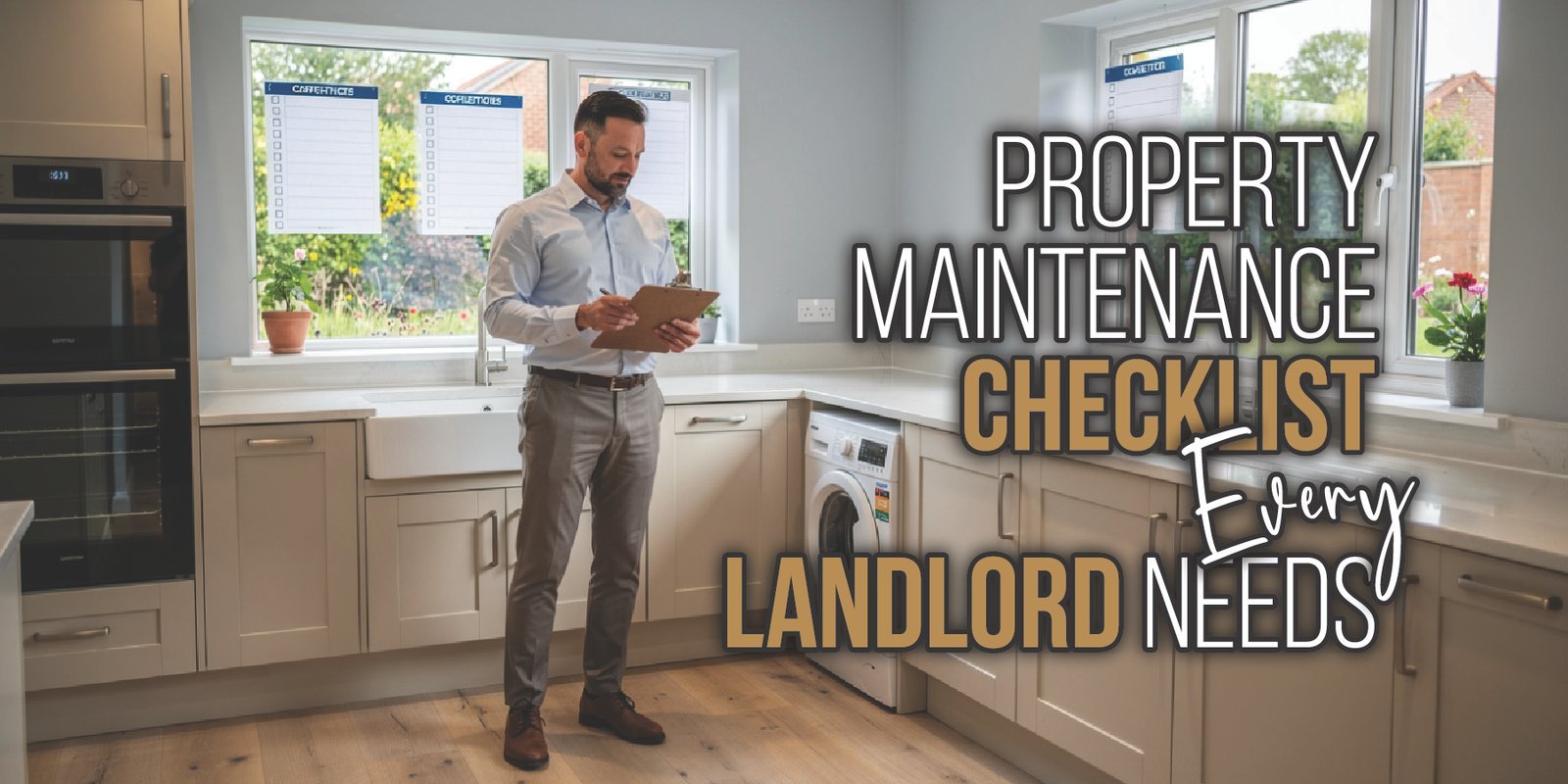
Landlords cannot afford to wait until small property issues become expensive repairs. A loose roof tile, blocked gutter, slow leak, poor ventilation, faulty heating issue or damaged seal can quickly turn into tenant complaints, lost rental income, compliance concerns and long-term property damage. Therefore, a clear property maintenance checklist helps landlords stay organised, reduce emergency repairs and protect property value.
For UK rental homes, HMOs, flats, terraced houses, semi-detached homes, buy-to-let properties, refurbished properties, older UK buildings, managed portfolios and commercial rental units, maintenance needs structure. Without a proper landlord checklist, property owners often react too late, spend more than needed and struggle to keep tenants satisfied.
A practical property maintenance checklist gives landlords a simple way to manage inspections, repairs, seasonal checks, tenant communication, contractor planning and long-term upkeep. It also helps property managers track recurring problems before they become bigger issues.
In short, a strong property maintenance checklist protects income, tenants, legal standards and the long-term condition of the property.
What Is a Property Maintenance Checklist?
A property maintenance checklist is a structured list of checks, tasks and inspections that landlords or property managers use to keep a property in good condition. It covers regular inspections, seasonal maintenance, safety-related checks, tenant move-in checks, move-out reviews, repairs, contractor work and long-term improvement planning.
A good landlord checklist should not only focus on fixing damage. Instead, it should help landlords spot problems early, plan repairs properly and keep records of what has been checked.
For example, a landlord may use a property maintenance checklist to confirm that gutters are clear before winter, heating systems work before cold weather, bathroom ventilation prevents mould and tenants know how to report issues.
This approach works especially well when landlords manage more than one property. As portfolios grow, memory is not enough. A written property maintenance checklist helps landlords track every property more consistently.
Why UK Landlords Need a Property Maintenance Checklist
UK landlords deal with many practical responsibilities. Tenants expect quick repairs, properties need regular attention and small issues can affect rental income quickly. Therefore, a property maintenance checklist gives landlords control.
A checklist helps landlords:
- Prevent expensive repairs
- Reduce tenant complaints
- Improve communication with tenants
- Plan contractor visits
- Keep better maintenance records
- Spot recurring faults
- Maintain property value
- Reduce void period issues
- Prepare properties for new tenants
- Support long-term property planning
In addition, a proper landlord checklist helps landlords move away from reactive maintenance. Instead of waiting for tenants to report every problem, landlords can inspect key areas and act early.
For stronger long-term planning, landlords should also review preventative maintenance in the UK because planned checks help reduce future repair costs. Similarly, reviewing property upgrade trends can help landlords choose improvements that lower future maintenance problems.
Complete Property Maintenance Checklist for Landlords
A useful property maintenance checklist should cover regular, seasonal and event-based tasks. Use the categories below to create a practical maintenance plan for rental homes, HMOs, flats, terraced houses, semi-detached homes, commercial rental units and managed portfolios.
Monthly Property Checks
Monthly checks help landlords and property managers spot early signs of damage. They work especially well for HMOs, older UK buildings and high-use rental homes.
Your monthly property maintenance checklist should include:
- Check communal areas in HMOs
- Inspect hallways, stairs and shared spaces
- Look for leaks under sinks
- Check visible damp or mould signs
- Confirm tenants can report repairs easily
- Review any recent maintenance complaints
- Check exterior lighting
- Inspect bins and waste areas
- Review parking or access issues
- Check locks, handles and door closers
These checks do not need to take long. However, they can reduce bigger repair bills when landlords act quickly.
Quarterly Maintenance Checks
Quarterly checks provide a deeper review. They suit buy-to-let properties, flats, terraced houses, semi-detached homes and managed properties.
Add these tasks to your landlord checklist:
- Inspect kitchens and bathrooms
- Check silicone seals around baths, showers and sinks
- Review ventilation in damp-prone rooms
- Check windows and doors for draughts
- Inspect flooring for wear or damage
- Test internal doors and handles
- Check signs of pests
- Review tenant-reported repair patterns
- Inspect external walls where accessible
- Check fences, gates and pathways
Quarterly inspections also help landlords maintain better tenant relationships because tenants can raise issues before they become complaints.
Seasonal Maintenance Checks
Seasonal checks matter in the UK because weather affects roofs, gutters, heating, damp and external areas. Therefore, every property maintenance checklist should include seasonal tasks.
Spring checks
- Review external walls after winter
- Check roof condition from ground level
- Clear gutters where needed
- Inspect fencing and garden areas
- Check exterior paintwork and timber
- Review ventilation before warmer months
Summer checks
- Plan non-urgent repairs
- Improve outdoor areas
- Check windows and seals
- Review drainage before autumn
- Book larger maintenance works
- Consider smart property improvements that could reduce future repairs
Autumn checks
- Clear gutters and drains
- Check external lighting
- Prepare heating systems
- Inspect doors and windows for draughts
- Check roof and chimney condition
- Review damp-prone areas
Winter checks
- Monitor heating performance
- Check pipes and insulation
- Respond quickly to leaks
- Review tenant heating and ventilation guidance
- Inspect high-risk damp areas
- Keep contractor contacts ready
A seasonal property maintenance checklist helps landlords avoid emergency repairs during busy periods.
Annual Landlord Checks
Annual checks help landlords review the full property condition. They also support better budgeting and long-term planning.
Your annual landlord checklist should include:
- Full internal condition review
- Full external condition review
- Boiler servicing where applicable
- Heating system performance review
- Electrical condition planning
- Appliance condition checks
- Window and door condition checks
- Roof, gutter and drainage review
- Damp and ventilation assessment
- Contractor performance review
- Budget planning for future repairs
- Upgrade planning for tired areas
Annual reviews also give landlords a chance to compare current property condition with previous records. As a result, they can identify whether a property needs basic maintenance or more serious investment.
Tenant Move-In Checks
Move-in checks help landlords start the tenancy properly. A clear property maintenance checklist at this stage can reduce future disputes.
Before a tenant moves in, check:
- Property cleanliness
- Inventory condition
- Keys and access
- Smoke and carbon monoxide alarms where required
- Heating and hot water
- Kitchen appliances
- Bathroom fittings
- Locks, windows and doors
- Flooring condition
- Wall condition
- Meter readings
- Tenant repair reporting process
In addition, explain how tenants should report issues. Clear communication helps landlords deal with problems early and supports better tenant satisfaction.
Tenant Move-Out Checks
Move-out checks help landlords assess condition, identify repairs and prepare the property for the next tenancy.
Your move-out landlord checklist should include:
- Compare condition against inventory
- Check walls, flooring and doors
- Inspect kitchen surfaces and appliances
- Review bathroom condition
- Check mould, damp or ventilation problems
- Confirm keys have been returned
- Record meter readings
- Identify cleaning needs
- List repairs before re-letting
- Photograph key areas
Move-out checks also help landlords plan quick turnaround work. Therefore, they can reduce void periods and protect rental income.
Emergency Repair Checks
Even with good planning, emergencies can happen. However, a property maintenance checklist should include a response plan.
Landlords should prepare for:
- Water leaks
- Boiler breakdowns
- Electrical faults
- Broken locks
- Roof leaks
- Drain blockages
- Heating failure
- Severe damp reports
- Window or door damage
- Urgent tenant access issues
Keep contractor details ready and review response times regularly. A strong emergency plan helps landlords act quickly and reduce damage.
Exterior Property Checks
Exterior issues often create costly internal problems. Therefore, every property maintenance checklist should include outside areas.
Check:
- Roof tiles
- Gutters and downpipes
- Drains
- External walls
- Brickwork
- Render
- Windows
- Doors
- Fences
- Gates
- Paths
- Driveways
- Garden areas
- External lighting
Older UK buildings need extra care because small exterior defects can lead to damp, leaks and structural problems over time.
Interior Property Checks
Internal checks help landlords keep the property comfortable and usable for tenants.
Your interior landlord checklist should include:
- Walls and ceilings
- Flooring
- Doors and handles
- Kitchen units
- Bathroom fittings
- Storage areas
- Ventilation
- Lighting
- Stairs and handrails
- Shared areas in HMOs
- Signs of water damage
- Signs of tenant misuse
Regular interior checks can also reveal whether planned upgrades would reduce future repair calls.
Plumbing and Heating Checks
Plumbing and heating issues can quickly become expensive. Therefore, landlords should include them in every property maintenance checklist.
Check:
- Leaks under sinks
- Taps and stopcocks
- Toilet flushes
- Shower pressure
- Bath and shower seals
- Radiators
- Boiler performance
- Heating controls
- Pipe insulation
- Water stains
- Slow drains
For better long-term results, landlords should follow a planned maintenance strategy rather than waiting for tenants to report major problems.
Electrical Checks
Electrical systems need careful attention. While landlords should use qualified professionals for proper testing and repair work, visual checks can still help identify obvious issues.
Include these points in your property maintenance checklist:
- Damaged sockets
- Loose switches
- Faulty lights
- Flickering bulbs
- Broken extractor fans
- Exposed wires
- Overloaded extension use
- Appliance issues
- Outdoor lighting faults
- Tenant reports of electrical problems
Never ignore electrical concerns. Instead, ask a qualified contractor to inspect issues quickly.
Roof, Gutter and Drainage Checks
Roof and drainage problems often cause expensive damage if landlords delay repairs.
Your landlord checklist should include:
- Missing or slipped tiles
- Blocked gutters
- Damaged downpipes
- Overflowing water
- Blocked drains
- Damp near ceilings
- Water marks on walls
- Poor external drainage
- Moss or debris build-up
- Flat roof condition where relevant
Regular gutter and drainage checks can prevent water damage, especially in older UK homes and refurbished properties.
Damp, Mould and Ventilation Checks
Damp and mould can create tenant complaints and long-term property damage. Therefore, every property maintenance checklist should include ventilation checks.
Review:
- Bathroom extractor fans
- Kitchen extraction
- Window trickle vents
- Condensation signs
- Mould around windows
- Damp patches
- Musty smells
- Cold external walls
- Tenant heating habits
- Drying clothes indoors
Landlords should act early because mould problems can spread. In addition, planned ventilation improvements can reduce repeat complaints.
How Preventative Maintenance Reduces Long-Term Repair Costs
Preventative maintenance means checking and repairing small issues before they become expensive problems. It plays a major role in any effective property maintenance checklist.
For example, fixing a small leak early costs less than repairing damaged ceilings, flooring and plaster later. Similarly, clearing gutters before winter costs less than dealing with damp walls and roofline damage.
A preventative approach helps landlords:
- Reduce emergency repairs
- Lower long-term costs
- Keep tenants happier
- Protect rental income
- Maintain property condition
- Plan contractor visits better
- Reduce repeated complaints
- Improve portfolio performance
Landlords who want stronger planning should review preventative property maintenance and build regular property maintenance checks into their process.
How Planned Upgrades Improve Property Value and Tenant Retention
Maintenance and upgrades often work together. A property maintenance checklist helps landlords spot areas that need repeat repairs. Then planned upgrades can reduce future problems.
For example, if a bathroom needs constant sealant repairs, poor ventilation may be the real issue. Upgrading the extractor fan, improving waterproofing and choosing better materials can reduce future call-outs. Likewise, durable flooring in HMOs can lower repair costs and improve tenant experience.
Planned upgrades can help with:
- Better tenant retention
- Higher property appeal
- Fewer repair calls
- Improved energy performance
- Lower long-term maintenance costs
- Better presentation during viewings
- Stronger property value
Landlords should review modern property upgrade trends when planning improvements. In addition, practical property upgrade trends can help landlords choose upgrades that improve function, not just appearance.
For buy-to-let investors and portfolio landlords, practical property upgrade ideas can also support better tenant satisfaction and lower long-term upkeep pressure.
Common Landlord Checklist Mistakes to Avoid
A landlord checklist only works when landlords use it properly. Therefore, avoid these common mistakes.
Only checking the property after complaints
Tenant complaints matter, but landlords should not rely on them alone. A proper property maintenance checklist helps owners find issues before tenants become frustrated.
Ignoring seasonal maintenance
UK weather can damage roofs, gutters, drains and external walls. Therefore, seasonal tasks should sit clearly inside the checklist.
Failing to keep records
Without records, landlords may forget what work has happened. Keep photos, invoices, inspection notes and contractor recommendations.
Choosing temporary fixes too often
A quick repair may help once. However, repeated temporary work usually signals a bigger issue.
Forgetting tenant communication
Tenants need to know how to report problems. Clear communication helps landlords act early.
Not reviewing upgrade opportunities
Some repairs keep returning because the property needs an upgrade. Therefore, review smart property improvements when maintenance costs keep rising.
Skipping preventative planning
A checklist should connect with a planned maintenance strategy. Otherwise, landlords may keep reacting instead of planning.
People Also Ask
What should be included in a property maintenance checklist?
A property maintenance checklist should include monthly checks, quarterly inspections, seasonal tasks, annual reviews, move-in checks, move-out checks, emergency repairs, exterior checks, interior checks, plumbing, heating, electrics, roof, gutters, drainage, damp, mould and ventilation.
How often should landlords inspect a rental property?
Landlords often inspect rental properties every few months, depending on the tenancy agreement, property type and tenant communication. However, they should also complete seasonal checks and respond quickly when tenants report issues.
Why is a landlord checklist important?
A landlord checklist helps property owners stay organised, reduce tenant complaints, prevent expensive repairs, maintain records and protect long-term property value.
How does preventative maintenance help landlords?
Preventative maintenance helps landlords fix small problems before they grow. As a result, it can reduce emergency repairs, protect rental income and improve tenant satisfaction.
Do HMOs need a different property maintenance checklist?
Yes, HMOs often need more frequent checks because shared areas, kitchens, bathrooms, fire doors, ventilation and waste areas receive heavier use. A clear property maintenance checklist helps HMO landlords manage these higher demands.
Speak With Gohaych Services About Property Maintenance
If your maintenance process feels reactive, inconsistent or difficult to manage, now is the right time to review it. Gohaych Services helps landlords, property managers, estate agents, buy-to-let investors, HMO landlords and homeowners create a more practical approach to property upkeep.
Whether you manage one rental home, several buy-to-let properties, an HMO, a refurbished property, an older UK building, a commercial rental unit or a full managed portfolio, a proper property maintenance checklist can help you reduce repairs, avoid complaints and protect long-term value.
Gohaych Services can support with:
- Property maintenance planning
- Regular property checks
- Preventative maintenance
- Repair coordination
- Contractor planning
- Upgrade recommendations
- Rental property upkeep
- Long-term property improvement planning
Speak with Gohaych Services today to review your current maintenance process and build a smarter plan for your property.
Conclusion
A strong property maintenance checklist helps UK landlords prevent expensive repairs, reduce tenant complaints, plan contractor work, protect rental income and maintain long-term property value. It also gives property managers and buy-to-let investors a clearer way to manage monthly, quarterly, seasonal and annual maintenance tasks.
Instead of waiting for problems to grow, landlords should use a practical landlord checklist to inspect interiors, exteriors, plumbing, heating, electrics, roofs, gutters, drainage, damp, mould and ventilation. In addition, they should connect the checklist with preventative maintenance in the UK and practical modern property upgrade trends.
When landlords plan ahead, act early and keep clear records, a property maintenance checklist becomes more than an admin tool. It becomes a practical way to protect tenants, income and property value for the long term.