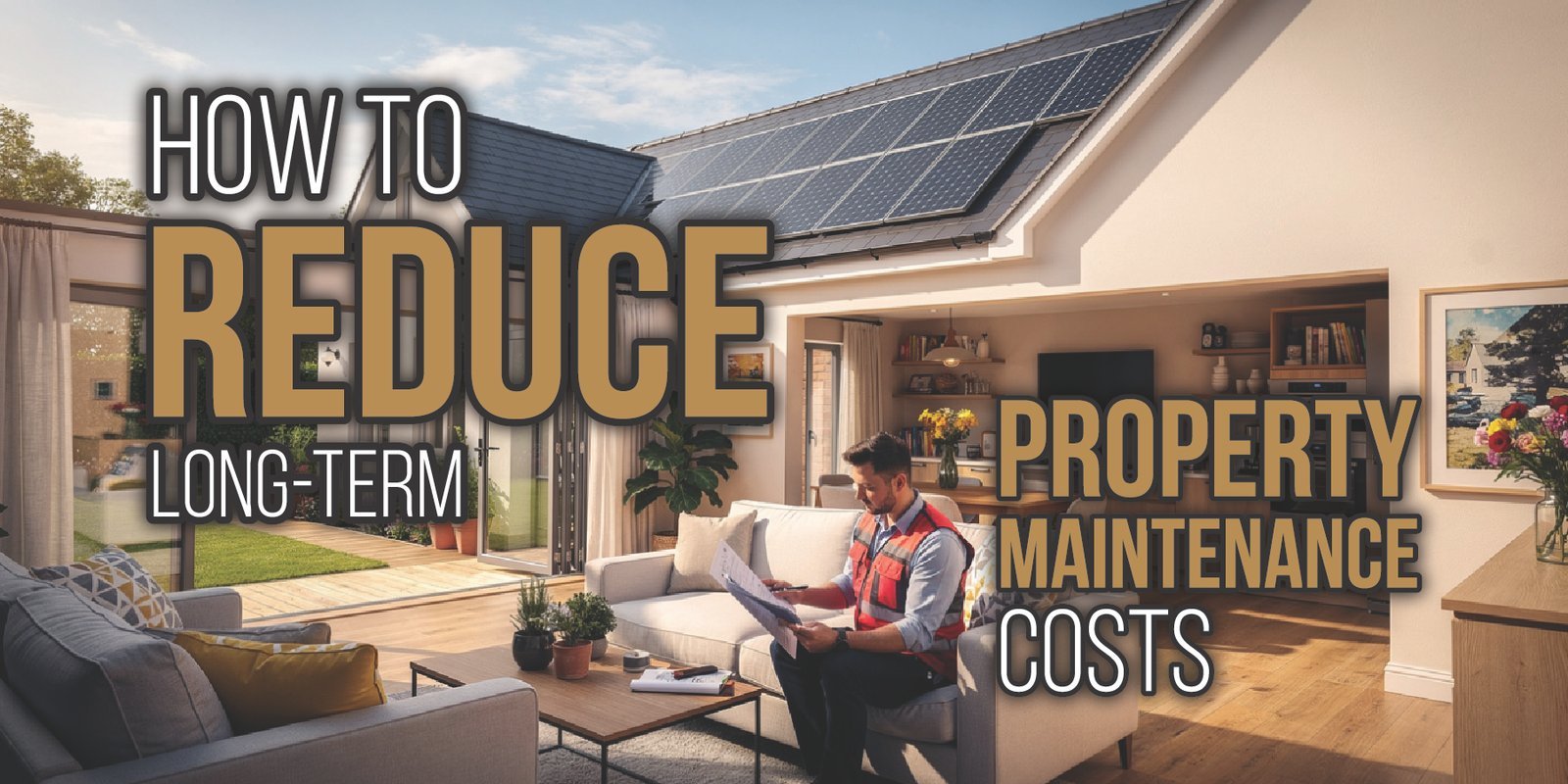
Every property needs care, but poor planning can quickly turn small issues into expensive repairs. For UK landlords, homeowners, property managers, estate agents, facilities managers, and investors, learning how to reduce property maintenance cost can protect cash flow, improve tenant satisfaction, and preserve long-term property value.
Maintenance costs usually rise when owners delay repairs, ignore inspections, choose low-quality materials, or rely only on reactive maintenance. For example, a small roof leak can become ceiling damage. A blocked gutter can cause damp. A poor-quality bathroom fitting can lead to repeated call-outs. Therefore, if you want to reduce property maintenance cost, you need a planned, practical, and preventative approach.
This matters across rental homes, HMOs, commercial units, residential properties, older UK buildings, refurbished homes, buy-to-let investments, managed properties, and landlord portfolios. In each case, a lower property upkeep cost does not come from ignoring maintenance. Instead, it comes from doing the right work at the right time.
Why Long-Term Property Maintenance Costs Rise
Many property owners spend more than necessary because they deal with problems too late. At first, a minor issue may look harmless. However, when it sits unresolved, it can damage other parts of the property.
For example, poor ventilation may start with condensation. Soon after, mould appears. Then tenants complain, walls need treatment, paintwork suffers, and the landlord faces a bigger bill. Similarly, an old boiler may keep working, but frequent breakdowns, poor energy performance, and emergency repairs can increase the total property upkeep cost.
To reduce property maintenance cost, property owners should look at maintenance as a long-term investment, not a short-term inconvenience. A planned approach helps you avoid emergency charges, protect finishes, extend the life of fixtures, and reduce disruption.
In addition, UK properties often face age-related issues. Older buildings may need extra attention around roofing, damp, insulation, wiring, plumbing, drainage, windows, and external walls. Therefore, landlords and property managers should not wait until visible damage appears.
How to Reduce Property Maintenance Cost With Better Planning
The most effective way to reduce property maintenance cost is to plan before problems become urgent. A strong maintenance plan gives you visibility over what needs checking, when it needs checking, and which repairs need priority.
Start by creating a basic maintenance calendar. Include seasonal tasks, annual inspections, safety checks, contractor reviews, and upgrade planning. For example, landlords can schedule gutter cleaning before winter, boiler servicing before peak heating season, and damp checks before small marks become major issues.
A planned approach helps you:
- Avoid last-minute emergency call-outs
- Budget for repairs more accurately
- Keep tenants happier
- Protect property value
- Reduce repeated maintenance visits
- Extend the life of fixtures and fittings
- Spot early signs of damage
For stronger long-term planning, it also helps to review current UK property upgrade trends because modern materials, practical layouts, and smarter finishes can lower future repair needs.
In addition, a clear planned maintenance strategy helps property owners move away from guesswork and towards regular checks that support better decision-making.
Reactive Maintenance vs Preventative Maintenance
Reactive maintenance means you fix issues after they happen. Preventative maintenance means you inspect, service, and repair early so you avoid larger problems later.
Reactive maintenance often feels cheaper at first. However, it usually costs more over time. For example, if a landlord ignores early signs of damp, the final repair may involve plastering, decorating, ventilation upgrades, tenant complaints, and possible void periods.
Preventative maintenance, however, helps you reduce property maintenance cost because it targets risk before it spreads. Regular checks may identify leaking taps, loose tiles, damaged seals, blocked drains, worn flooring, cracked exterior render, or ageing appliances.
A good preventative approach works especially well for:
- HMOs with heavy daily use
- Rental homes with regular tenant changeovers
- Commercial units with high footfall
- Older UK buildings with hidden defects
- Buy-to-let investments that need stable returns
- Managed properties that require consistent standards
If you want to reduce property maintenance cost, then preventative work should become part of your operating routine. This guide on preventative maintenance in the UK explains how regular maintenance checks can lower long-term risk and improve property performance.
Regular Inspections Help Prevent Expensive Repairs
Inspections allow landlords and property managers to see issues before they become expensive. Therefore, regular checks play a major role when you want to reduce property maintenance cost.
For rental homes, inspections can identify early signs of leaks, damp, poor ventilation, broken fittings, damaged flooring, faulty doors, and blocked drains. For commercial units, inspections can highlight wear around entrances, washrooms, electrics, flooring, lighting, and external areas.
A practical inspection should cover:
- Roofs, gutters, and downpipes
- Windows, doors, locks, and seals
- Bathrooms and kitchens
- Plumbing and heating systems
- Damp, mould, and ventilation
- Flooring, walls, and ceilings
- Electrical fittings and lighting
- External walls, pathways, and drainage
- Tenant-reported issues
Moreover, inspections help reduce disputes. When owners document condition properly, they can separate genuine wear and tear from avoidable damage. As a result, they can manage maintenance more fairly and keep the property upkeep cost under control.
Early Repairs Usually Cost Less Than Delayed Repairs
Delaying repairs rarely saves money. In many cases, it simply moves the cost into the future and makes it bigger. Therefore, early action remains one of the simplest ways to reduce property maintenance cost.
A dripping tap can waste water and damage surfaces. A loose tile can lead to water ingress. A cracked seal around a bath can damage flooring and ceilings below. Meanwhile, poor exterior paintwork can expose timber to rot.
When you fix these issues early, you control the damage. In addition, tenants, buyers, and commercial occupiers usually notice when a property receives proper care.
For landlords with multiple properties, early repair decisions matter even more. Small delays across a portfolio can create a larger maintenance burden. Therefore, owners should prioritise minor repairs that could trigger bigger damage if ignored.
Smart Upgrades Can Reduce Future Maintenance Costs
Planned upgrades can help you reduce property maintenance cost because better materials and smarter choices often last longer. Instead of repeatedly repairing old or poor-quality fixtures, owners can upgrade key areas to lower future call-outs.
For example, landlords may choose more durable flooring in HMOs, better ventilation in bathrooms, washable paint in rental homes, quality door handles in high-use properties, and hard-wearing worktops in kitchens. Similarly, commercial units may benefit from LED lighting, durable washroom fittings, improved entrance flooring, and stronger internal finishes.
Modern property upgrade trends now focus heavily on durability, energy efficiency, usability, and low-maintenance finishes. Therefore, property owners should not only upgrade for appearance. They should also upgrade to reduce future repairs.
Smart property improvement ideas may include:
- Moisture-resistant bathroom materials
- High-quality extractor fans
- Durable kitchen surfaces
- Easy-clean wall finishes
- LED lighting
- Better insulation
- Stronger flooring in high-traffic areas
- Improved locks and door furniture
- Better drainage around external areas
When you choose upgrades carefully, you can lower the property upkeep cost while improving tenant experience and protecting property value.
Energy-Efficient Improvements Can Lower Ongoing Costs
Energy-efficient upgrades can help landlords and property owners manage long-term expenses. While they may not remove every repair cost, they can reduce pressure on heating systems, improve comfort, and support better property performance.
For example, improved insulation, draught-proofing, efficient boilers, smart thermostats, LED lighting, and better glazing can reduce avoidable energy waste. In rental homes and HMOs, these upgrades can also improve tenant satisfaction.
In older UK buildings, energy efficiency often needs careful planning. You may need to balance ventilation, insulation, damp control, and building condition. However, when done correctly, efficiency upgrades can reduce property maintenance cost by preventing condensation, improving system performance, and lowering repeat complaints.
Before making changes, review relevant modern property upgrade trends and combine them with preventative property maintenance so upgrades solve real problems rather than only changing the look of the property.
Use Reliable Contractors, Not Just the Cheapest Option
Cheap repairs can become expensive when they fail quickly. Therefore, reliable contractors can help you reduce property maintenance cost over time.
A good contractor should diagnose the cause, not just cover the symptom. For example, painting over damp without fixing ventilation or water ingress will not solve the problem. Likewise, replacing a broken fitting with another poor-quality fitting may create repeat call-outs.
When choosing contractors, consider:
- Experience with UK residential or commercial properties
- Clear pricing
- Reliable communication
- Quality materials
- Proper workmanship
- Written recommendations
- Before-and-after evidence
- Willingness to explain the cause of issues
In addition, property managers and landlords should build a trusted contractor network. This helps reduce delays, improve accountability, and keep repair standards consistent across managed properties and landlord portfolios.
Keep Better Records to Control Property Upkeep Cost
Good records help you make better maintenance decisions. Without records, owners often forget when work happened, which contractor completed it, what materials they used, and whether the same issue keeps returning.
To reduce property maintenance cost, keep records of:
- Inspection dates
- Tenant complaints
- Contractor invoices
- Repair photos
- Warranty details
- Appliance service dates
- Safety certificates
- Upgrade decisions
- Recurring issues
- Future recommendations
This information helps you spot patterns. For example, if the same bathroom needs repeated repairs, you may need a proper refurbishment rather than another quick fix. Similarly, if several properties in a portfolio show damp issues, you may need a wider ventilation review.
Better records also support better budgeting. As a result, owners can plan upgrades instead of reacting under pressure.
Property Maintenance Cost Reduction Checklist
Use this checklist to review where your property may be losing money.
Planning and inspections
- Do you have a yearly maintenance calendar?
- Do you inspect rental homes, HMOs, and managed properties regularly?
- Do you check roofs, gutters, drains, and external walls before winter?
- Do you review commercial units after heavy use or tenant changes?
Preventative maintenance
- Do you service boilers and heating systems on time?
- Do you check ventilation before mould appears?
- Do you fix leaks, seals, and drainage issues early?
- Do you follow a proper regular property maintenance checks process?
Repairs and contractors
- Do you use reliable contractors?
- Do you avoid repeated temporary fixes?
- Do you ask contractors to identify the cause of problems?
- Do you keep repair records and photos?
Materials and upgrades
- Do you use durable materials in high-use areas?
- Do you follow practical smart property improvement ideas?
- Do you upgrade old fixtures before they create repeated call-outs?
- Do you balance appearance with long-term durability?
Cost control
- Do you track your annual property upkeep cost?
- Do you compare maintenance spend across properties?
- Do you budget for planned work?
- Do you review whether upgrades could help reduce property maintenance cost?
If several answers are “no”, your property may cost more to maintain than it should.
Common Mistakes That Increase Property Upkeep Cost
Even experienced owners can make decisions that increase long-term costs. Therefore, avoid these common mistakes if you want to reduce property maintenance cost.
Waiting until repairs become urgent
Emergency repairs often cost more than planned repairs. In addition, urgent work can disrupt tenants, trading, or property availability.
Choosing low-quality materials
Cheap materials may fail faster, especially in HMOs, rental homes, commercial units, and high-traffic areas. As a result, the property upkeep cost increases over time.
Ignoring damp and ventilation
Damp rarely improves on its own. Therefore, property owners should investigate moisture, leaks, condensation, and ventilation early.
Using temporary fixes repeatedly
A temporary fix may help once. However, repeated temporary work usually signals a deeper issue.
Not reviewing upgrades
Outdated kitchens, bathrooms, flooring, lighting, and heating systems can create regular repair costs. Therefore, owners should review UK property upgrade trends and decide where planned upgrades make financial sense.
Skipping preventative maintenance
When owners skip checks, small issues grow. A proper preventative maintenance in the UK approach helps owners control risk and protect long-term value.
How Planned Upgrades Protect Property Value
Planned upgrades do more than improve appearance. They also help reduce property maintenance cost by replacing weak, outdated, or high-maintenance features with better alternatives.
For example, a landlord may upgrade a tired bathroom with stronger waterproofing, better extraction, and durable fittings. This can reduce leaks, mould complaints, and repeated repairs. Similarly, a commercial property owner may improve lighting, flooring, and entrance areas to reduce maintenance issues while improving presentation.
In refurbished properties, planned upgrades can also support higher perceived value. Buyers, tenants, and agents often notice when a property feels well maintained. Therefore, maintenance and value often connect closely.
A sensible upgrade plan should focus on:
- High-use areas
- Repeated repair points
- Energy performance
- Tenant complaints
- Safety and compliance
- Long-term durability
- Ease of cleaning
- Reduced contractor call-outs
When upgrades follow real maintenance data, they can lower the property upkeep cost and support stronger long-term returns.
People Also Ask
How can landlords reduce property maintenance costs?
Landlords can reduce property maintenance cost by using regular inspections, preventative maintenance, early repairs, durable materials, reliable contractors, and planned upgrades. They should also keep clear records and review recurring issues across their properties.
What is the difference between reactive and preventative maintenance?
Reactive maintenance fixes problems after they happen. Preventative maintenance checks and services the property before issues become expensive. Therefore, preventative work usually helps lower long-term property upkeep cost.
Are property upgrades worth it for landlords?
Yes, property upgrades can be worth it when they reduce repeat repairs, improve durability, support tenant satisfaction, and protect property value. Practical upgrades often work better than purely cosmetic changes.
How often should a rental property be inspected?
Many landlords inspect rental properties every few months, depending on tenancy terms, property type, and risk level. However, owners should also inspect after tenant changes, before winter, and when tenants report early warning signs.
What maintenance costs the most over time?
Roofing, damp repairs, plumbing leaks, heating systems, poor ventilation, old bathrooms, damaged flooring, and electrical issues can become costly over time. Early checks and planned repairs help control these expenses.
Speak With Gohaych Services About Your Property Maintenance Strategy
If your property repairs feel constant, reactive, or unpredictable, now is the time to review your approach. Gohaych Services helps landlords, homeowners, property managers, estate agents, facilities managers, and investors make smarter maintenance decisions that support long-term value.
Whether you manage one rental home, a buy-to-let portfolio, an HMO, a commercial unit, a refurbished property, or an older UK building, a better plan can help you reduce property maintenance cost without cutting corners.
Gohaych Services can help you review:
- Current maintenance problems
- Recurring repair patterns
- Preventative maintenance needs
- Practical upgrade opportunities
- Contractor reliability
- Long-term cost risks
- Property condition priorities
Therefore, if you want to lower your property upkeep cost, improve property standards, and make smarter repair decisions, speak with a professional property maintenance team before small issues become expensive problems.
Conclusion
To reduce property maintenance cost, property owners need more than quick repairs. They need regular inspections, preventative maintenance, reliable contractors, durable materials, early repair decisions, smart upgrades, and proper records.
Long-term savings come from planning. Therefore, landlords, homeowners, property managers, estate agents, facilities managers, and investors should move away from reactive maintenance and build a clear strategy for property care.
When you identify risks early, choose better materials, follow preventative property maintenance, and apply practical property upgrade trends, you can reduce property maintenance cost while protecting property value, tenant satisfaction, and future returns.