
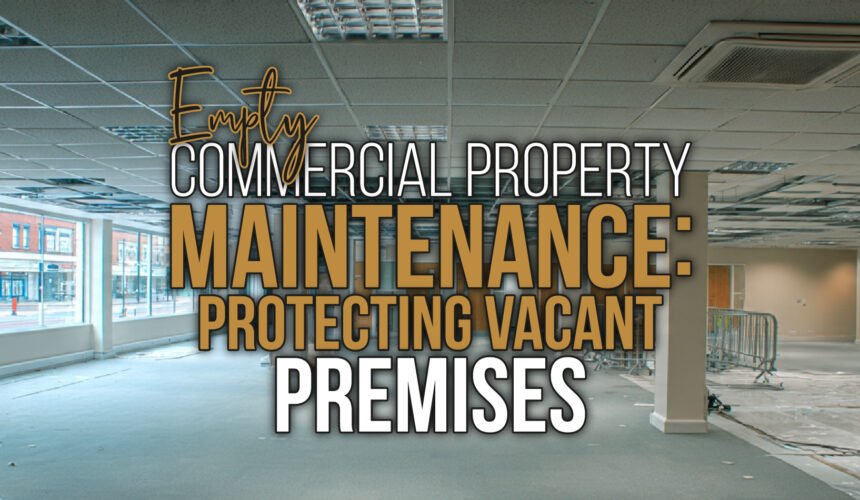
Vacant premises still need active care. Leaks, damp, neglected repairs, unused services, poor presentation, pests, missed inspections and weak maintenance records can affect property value, compliance awareness, insurance conditions and future occupancy. Therefore, empty commercial property maintenance should continue even when no tenant uses the building.
An empty office, retail unit, warehouse, restaurant or industrial unit can deteriorate quickly if nobody checks it. Small roof issues can become water damage. Poor ventilation can create damp. Meanwhile, waste build-up, broken access points or untidy external areas can make the building harder to let, sell or refurbish.
This guide explains how empty commercial property maintenance supports vacant commercial property care, empty building maintenance, vacant premises checks and commercial property inspections.
Quick Answer: What Is Empty Commercial Property Maintenance?
Empty commercial property maintenance helps landlords and property managers keep vacant premises checked, repaired, compliant, presentable and ready for future use through planned maintenance, regular inspections, cleaning, minor repairs and condition reporting. It supports future letting, sale, refurbishment or reoccupation.
General Property Guidance Note
This article gives general property guidance only. It does not replace legal, insurance, lease, health and safety, fire safety or compliance advice. Where property duties, insurance conditions, commercial property compliance, fire-related checks, vacant premises checks or building condition responsibilities are mentioned, owners should check current UK guidance, policy documents, lease terms and professional advice.
Key Takeaways
- Empty commercial property maintenance helps keep vacant premises checked, recorded and presentable.
- A vacant commercial property can develop leaks, damp, pest issues, waste build-up and access problems.
- Empty building maintenance should include internal checks, external checks, cleaning, minor repairs and reporting.
- Vacant premises checks should match the property type, policy conditions, vacancy length and building condition.
- Planned maintenance and compliance awareness help owners prepare premises for tenants, sale or refurbishment.
What Is Empty Commercial Property Maintenance?
Empty commercial property maintenance means looking after a commercial building while it is vacant. It helps property owners keep the premises in workable condition, identify issues early and prepare the building for its next use.
It can apply to:
- Empty offices
- Vacant retail units
- Empty warehouses
- Industrial units
- Empty restaurants
- Empty hospitality premises
- Commercial kitchens
- Vacant mixed-use buildings
- Storage units
- Properties between leases
- Buildings awaiting refurbishment
- Buildings awaiting sale
- Properties awaiting a new tenant
In practical terms, empty commercial property maintenance may include inspections, cleaning, small repairs, water checks, roof checks, gutter reviews, ventilation checks, waste removal and condition reports.
A vacant building still carries responsibilities, costs and practical risks. Therefore, owners should not treat vacancy as a reason to pause maintenance.
Why Empty Commercial Property Maintenance Matters
Empty commercial property maintenance matters because unused buildings can develop problems without daily occupation. When staff, tenants or customers use a property, they often notice leaks, smells, damp, broken fixtures or blocked drains quickly. In an empty building, those problems can go unnoticed for longer.
Maintenance matters because it helps with:
- Building condition
- Future letting value
- Commercial property inspections
- Insurance condition awareness
- Tenant readiness
- Presentation for viewings
- Early issue reporting
- Repair planning
- Compliance documentation
- Reduced avoidable repair pressure
For example, a vacant retail unit with poor entrance presentation may make viewings less effective. Likewise, an empty warehouse with unchecked gutters may develop water ingress after heavy rain.
Because of this, empty commercial property maintenance should sit within a wider planned property management process.
Vacant Commercial Property: What Can Go Wrong Without Regular Checks?
A vacant commercial property can face issues that build quietly. Without regular checks, small concerns can become larger repair problems.
Common issues include:
- Water leaks
- Damp and mould
- Heating problems
- Electrical issues
- Roof damage
- Drainage problems
- Pest activity
- Waste build-up
- Exterior damage
- Broken doors or windows
- Poor presentation
- Insurance or lease concerns
For example, an empty office may develop damp if ventilation stops working properly. Meanwhile, a vacant restaurant may need regular checks around sinks, drains, kitchen areas and waste points.
A vacant commercial property also needs clear records. If something changes between inspections, photos and notes can help property managers understand when the issue appeared.
Therefore, empty commercial property maintenance should combine practical checks with basic reporting.
Empty Building Maintenance: What Should It Include?
Empty building maintenance should cover the inside, outside and key services of the premises. The aim is to keep the building checked, presentable and ready for the next stage.
A practical plan may include:
- Internal inspections
- External checks
- Plumbing checks
- Heating checks
- Ventilation checks
- Drainage checks
- Roof and gutter checks
- Cleaning
- Minor repairs
- Waste removal
- Pest prevention
- Reporting and photo records
Empty Commercial Property Maintenance for Internal Areas
Internal checks should review walls, floors, ceilings, toilets, sinks, kitchens, storage areas and signs of leaks or damp. In larger properties, checks should follow a consistent route.
Empty Commercial Property Maintenance for External Areas
External checks should review entrances, windows, roofline, gutters, walls, yards, bins, car parks and any visible damage. Good presentation matters for viewings and future tenants.
Empty Commercial Property Maintenance for Records
Photo records, inspection notes and repair logs help property owners track condition over time. This matters for commercial property inspections, contractor planning and compliance awareness.
Vacant Premises Checks: How Often Should They Happen?
Vacant premises checks do not follow one universal frequency for every property. The right schedule depends on the building, insurance policy, lease terms, location, condition and future plans.
Frequency may depend on:
- Property type
- Insurance requirements
- Building condition
- Location
- Vacancy length
- Weather
- Tenant plans
- Landlord instructions
- Compliance needs
- Previous repair history
For example, an empty warehouse with known roof issues may need more frequent checks than a small office in good condition. Likewise, a property awaiting refurbishment may need contractor access and condition records before works begin.
Owners should review policy documents and professional guidance before setting inspection frequency. However, as a practical rule, empty commercial property maintenance works best when checks happen consistently and records stay organised.
Commercial Property Inspections: What Should Be Checked?
Commercial property inspections help owners understand the condition of a vacant building. A good inspection does not only look for obvious damage. It also checks practical areas that affect future use.
Review:
- Doors and entry points
- Windows
- Roof
- Gutters
- Internal walls
- Floors
- Ceilings
- Toilets and sinks
- Heating systems
- Electrical fittings
- Fire-related equipment where relevant
- External areas
- Waste areas
- General presentation
For example, a retail unit inspection should check the shopfront, entrance, flooring, ceiling, back rooms and toilet area. Meanwhile, an empty warehouse inspection should include loading areas, doors, roofline, drainage and internal floor condition.
Regular commercial property inspections make empty commercial property maintenance more effective because they identify issues before they affect viewings, repairs or future occupation.
Empty Commercial Property Maintenance and Planned Maintenance
Empty commercial property maintenance works best when it links to a planned maintenance schedule. Instead of reacting after problems appear, property owners can schedule inspections, routine repairs and condition reviews.
This guide on planned property maintenance explains planned maintenance schedules, preventative commercial maintenance, routine property maintenance and maintenance planning for vacant premises.
Planned maintenance can help owners:
- Schedule inspections
- Reduce avoidable repair pressure
- Spot issues earlier
- Maintain records
- Plan contractor visits
- Prepare vacant premises for new tenants
- Prepare buildings for future works
- Keep maintenance priorities organised
For example, a vacant office may need monthly condition checks, routine cleaning and planned small repairs before viewings. Meanwhile, an empty warehouse may need planned gutter checks before winter weather.
By combining empty commercial property maintenance with routine property maintenance, owners can make building care more predictable.
Empty Commercial Property Maintenance and Compliance
Vacant premises still need compliance awareness. Even when nobody trades from the property, owners, landlords, agents and facilities teams may still need to consider insurance conditions, inspection records, access control, health and safety awareness and fire-related checks where relevant.
This commercial property compliance guide explains commercial building compliance, property compliance checks and landlord compliance responsibilities in more detail.
Compliance awareness may involve:
- Inspection records
- Insurance conditions
- Health and safety awareness
- Fire-related checks where relevant
- Access control
- Maintenance documentation
- Contractor records
- Lease responsibility checks
- Professional guidance
For example, a landlord may need to check lease terms before deciding who handles certain repairs. Likewise, a property manager may need to keep inspection records in case the insurer asks for evidence.
Therefore, empty commercial property maintenance should include record keeping and compliance support for commercial property where needed.
Empty Commercial Property Maintenance Between Tenants
Commercial properties often sit vacant between leases. During that period, presentation and condition can influence viewings, negotiations and future occupation.
Between tenants, maintenance can help with:
- Cleaning
- Minor repairs
- Access checks
- Entrance presentation
- Inspection records
- Planned improvement work
- Contractor access
- Agent viewings
- Future tenant readiness
- Basic condition reporting
For example, a vacant retail unit may need window cleaning, entrance repairs and internal touch-ups before viewings. Meanwhile, an empty office may need lighting checks, toilet checks and waste removal before a new tenant visit.
Good empty commercial property maintenance helps owners present the property better and avoid handing small problems to the next tenant.
Empty Commercial Property Maintenance for Offices, Retail Units and Warehouses
Different property types need different maintenance priorities.
| Property Type | Common Maintenance Issue | What to Check | Why It Matters | Planning Tip |
|---|---|---|---|---|
| Empty office | Damp, lighting or toilet issues | Walls, ceilings, toilets, ventilation | Supports viewings and future use | Keep inspection notes updated |
| Vacant retail unit | Poor shopfront presentation | Entrance, windows, flooring, back rooms | Affects kerb appeal and tenant interest | Clean and repair visible areas first |
| Empty warehouse | Roof, doors or drainage issues | Roofline, gutters, loading bays, floors | Helps protect stock-ready condition | Check after bad weather |
| Industrial unit | Access and external damage | Doors, yards, drainage, internal areas | Supports contractor and tenant access | Review external areas regularly |
| Empty restaurant | Drainage, smells or kitchen condition | Sinks, drains, kitchen areas, ventilation | Helps future occupation planning | Include deeper cleaning where needed |
This table shows why empty commercial property maintenance should match the building type.
Empty Commercial Property Maintenance vs Planned Refurbishment
Empty property care and refurbishment are not the same. A building may need both, but each service has a different purpose.
| Service Type | Best For | Main Focus | Typical Timing | Planning Tip |
| Empty commercial property maintenance | Vacant premises between uses | Condition, checks and minor repairs | During vacancy | Keep records consistent |
| Planned refurbishment | Upgrading or changing the space | Improvement works | Before letting, sale or reoccupation | Define scope clearly |
| Planned property maintenance | Long-term building care | Scheduled inspections and repairs | Ongoing | Use a maintenance schedule |
| Emergency repairs | Urgent issues | Immediate response | When problems appear | Act quickly and document the issue |
For example, an empty office may need empty commercial property maintenance before a later refurbishment. Maintenance keeps the building checked, while refurbishment changes the space.
How to Plan Empty Commercial Property Maintenance
A practical empty commercial property maintenance plan should begin with the property’s current condition and future use.
Plan by:
- Identify the vacancy period
- Check insurance requirements
- Review commercial property compliance needs
- List urgent repairs
- Schedule vacant premises checks
- Keep access details clear
- Record property condition
- Check water, heating and drainage
- Review external condition
- Plan cleaning
- Prepare for viewings or contractors
- Keep maintenance notes
- Review future occupancy plans
For example, a building awaiting sale may need regular presentation checks, while a unit awaiting refurbishment may need access planning and contractor coordination.
A clear plan helps owners avoid missed checks and rushed decisions.
Empty Commercial Property Maintenance Costs UK: What Affects the Price?
Empty commercial property maintenance costs can vary because properties differ in size, condition, location and inspection needs.
Cost factors include:
- Property size
- Property type
- Vacancy length
- Inspection frequency
- Building condition
- Repair needs
- Cleaning needs
- Compliance requirements
- Access arrangements
- Location
- External maintenance
- Waste removal
- Contractor requirements
- Emergency repair needs
For example, a small vacant office may need basic checks and cleaning. However, an empty warehouse with roof, drainage and yard areas may require more detailed inspections and contractor coordination.
Therefore, owners should request a quote based on the real property condition and maintenance scope.
Need Help Keeping a Vacant Property Ready?
If your office, retail unit, warehouse, industrial unit or hospitality premises is empty, Gohaych Services can help you plan practical maintenance support.
You can get a commercial property maintenance quote for vacant premises checks, minor repairs, cleaning, condition reporting and planned support.
Whether you need empty building maintenance support or want to speak to Gohaych Services about a vacant commercial property, the right plan can help keep your premises ready for what comes next.
Empty Commercial Property Maintenance Checklist
Use this checklist before setting a maintenance plan.
- Check all access points
- Inspect doors and windows
- Check for leaks
- Review roof and gutters
- Check heating and ventilation
- Inspect toilets and sinks
- Check internal walls and ceilings
- Review external areas
- Remove waste where needed
- Check for pest signs
- Record inspection findings
- Review compliance needs
- Request maintenance support before small issues grow
This checklist helps owners manage empty commercial property maintenance with clearer priorities.
Common Empty Commercial Property Maintenance Mistakes to Avoid
Leaving the Building Unchecked for Too Long
Long gaps between checks can allow small issues to become bigger problems.
Ignoring Small Leaks
Minor leaks can lead to damp, stains and repair pressure.
Forgetting External Areas
Entrances, yards, gutters and waste areas affect presentation and condition.
Not Keeping Inspection Records
Inspection notes help track issues and support maintenance planning.
Not Checking Insurance Conditions
Policy documents may include vacancy-related conditions.
Delaying Minor Repairs
Small repairs can become more disruptive if ignored.
Ignoring Damp or Ventilation Issues
Poor airflow can affect vacant offices, retail units and hospitality premises.
Forgetting Waste Removal
Waste build-up can damage presentation and attract problems.
Not Preparing for Viewings
A vacant property should look ready for agents, contractors and future tenants.
Choosing Only by Price
The cheapest maintenance option may not include the checks your property needs.
Not Reviewing Compliance Requirements
Vacant premises still need compliance awareness and documentation.
Waiting Until a New Tenant Finds the Problem
New tenants should not be the first people to notice repair issues.
Avoiding these mistakes makes empty commercial property maintenance more effective.
People Also Ask
What is empty commercial property maintenance?
Empty commercial property maintenance helps landlords and property managers keep vacant premises checked, cleaned, repaired, documented and ready for future letting, sale, refurbishment or occupation.
How often should vacant premises checks happen?
Vacant premises checks depend on the property type, insurance conditions, building condition, location, vacancy length and landlord instructions. Owners should check policy documents and professional advice.
What should commercial property inspections include?
Commercial property inspections should include doors, windows, roof, gutters, walls, floors, ceilings, toilets, sinks, heating, external areas, waste areas and general presentation.
Why does a vacant commercial property need maintenance?
A vacant commercial property needs maintenance because leaks, damp, waste, pests, roof issues, broken access points and poor presentation can affect condition, value and future use.
What affects empty building maintenance costs?
Empty building maintenance costs depend on property size, type, vacancy length, inspection frequency, condition, cleaning needs, repair needs, access and compliance requirements.
How do I request empty commercial property maintenance support?
To request empty commercial property maintenance support, share the property type, location, vacancy length, condition, inspection needs, access details and future plans with Gohaych Services.
Conclusion
Empty commercial property maintenance helps property owners protect condition, improve presentation, reduce avoidable repair pressure, support future letting, improve inspection records and keep vacant premises ready for sale, refurbishment or new tenants.
A vacant commercial property still needs active care. Leaks, damp, heating issues, external damage, pests, waste build-up and missed inspections can affect future occupancy and value.
With a clear empty commercial property maintenance plan, landlords, property managers and facilities teams can keep offices, retail units, warehouses, industrial units and hospitality premises checked, presentable and better prepared for what comes next.
Keep Your Vacant Premises Ready for What Comes Next
Need empty commercial property maintenance for an office, retail unit, warehouse, industrial unit, or vacant premises between tenants? Request a quote from Gohaych Services today and get maintenance support built around your property condition, inspection needs, compliance priorities, and future plans.
You can also request commercial property support for vacant premises checks, planned inspections, minor repairs, cleaning, reporting and preparation before letting, sale or refurbishment.