

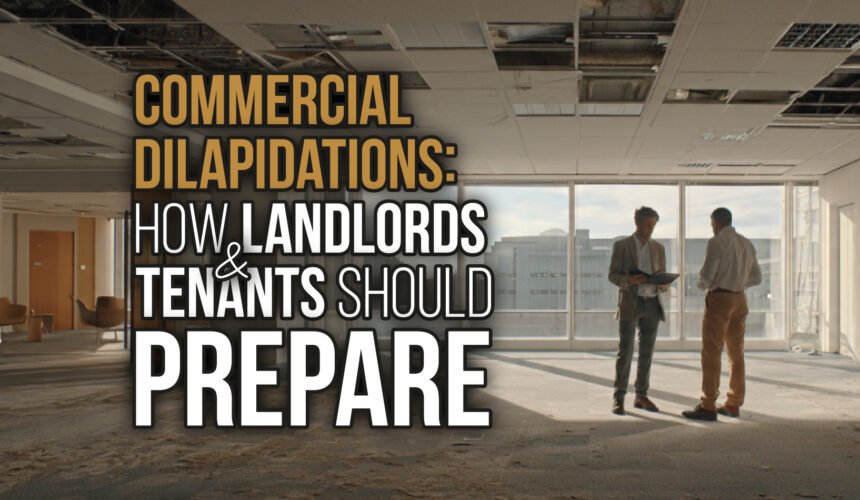
Commercial dilapidations can create pressure for landlords and tenants when lease end approaches. Therefore, both sides should avoid leaving property inspections, evidence, repairs and reinstatement planning until the final stage of the lease. Unclear repair duties, late inspections, poor records, unfinished reinstatement, weak communication and delayed repairs can all increase stress before handback.
For example, an office tenant may need to remove partitions, repair flooring and redecorate before leaving. Meanwhile, a landlord may need to review commercial property condition, plan refurbishment and prepare the unit for a future occupier. Because of this, commercial dilapidations need early preparation, clear evidence and practical repair planning.
This guide explains what commercial dilapidations mean, what landlords and tenants should check, and how Gohaych Services can support dilapidation repairs, lease end repairs and wider landlord tenant property repairs.
Quick Answer: What Are Commercial Dilapidations?
Commercial dilapidations are lease-related property condition issues that may require repairs, reinstatement, decoration or maintenance before or after lease end. They can involve lease obligations, commercial property condition, tenant alterations and handback requirements. Landlords and tenants should review requirements early, gather evidence and plan lease end repairs before deadlines become tight.
General Guidance Note
This blog provides general guidance only. It does not replace advice from a qualified surveyor, solicitor, landlord, tenant representative or lease professional. Commercial dilapidations can involve lease wording, schedules of condition, surveyor input, negotiation and legal review. Therefore, landlords and tenants should check their lease documents and seek professional advice where needed.
Key Takeaways
- Commercial dilapidations usually relate to lease obligations and property condition at or near lease end.
- Tenants should review repair clauses, schedules of condition and reinstatement requirements early.
- Landlords should record commercial property condition, communicate clearly and plan future occupation needs.
- Dilapidation repairs may include decoration, flooring, ceilings, fixtures, reinstatement and general building repairs.
- Early planning can reduce last-minute pressure and help both sides prepare for handback.
What Are Commercial Dilapidations?
Commercial dilapidations refer to property condition issues connected to a commercial lease. They often involve repair, decoration, reinstatement and handback obligations. In simple terms, they focus on whether the property matches the lease requirements when the tenant leaves or when the landlord reviews condition.
Commercial dilapidations may apply to:
- Offices
- Retail units
- Warehouses
- Industrial units
- Restaurants
- Hospitality premises
- Mixed-use buildings
- Business parks
- Managed commercial premises
- Tenant-occupied offices
- Properties nearing lease end
- Units requiring reinstatement before handback
For example, if a tenant installed partitions, removed fixtures or damaged flooring, the lease may require some level of reinstatement or repair. However, responsibilities depend on the lease, schedule of condition and professional advice.
Because of this, commercial dilapidations should not rely on assumptions. Both landlords and tenants should review documents, inspect the property and plan repair steps early.
Why Commercial Dilapidations Matter for Landlords and Tenants
Commercial dilapidations matter because they can affect cost, timing, handback, future letting and working relationships. When both sides leave repairs until the end, pressure can build quickly.
Commercial dilapidations can involve:
- Lease obligations
- Schedules of condition
- Property inspections
- Repair clauses
- Decoration clauses
- Reinstatement
- Wear and tear
- Tenant improvements
- Office alterations
- Compliance-related issues
- Handback requirements
- Repair planning before lease end
For tenants, poor preparation may lead to rushed lease end repairs, unclear responsibilities and avoidable disruption. For landlords, weak records or late inspections may make it harder to plan refurbishment, re-letting or future occupation.
Therefore, both parties benefit from early condition reviews, clear communication and practical repair planning.
What Usually Causes Commercial Dilapidations?
Commercial dilapidations often build up slowly during the lease term. However, they become more visible near lease end when both sides review the property against lease obligations.
Common causes include:
- General wear and tear
- Lack of planned maintenance
- Damaged fixtures
- Poor decoration
- Tenant alterations
- Removed partitions
- Flooring damage
- Ceiling damage
- Mechanical and electrical issues
- Plumbing problems
- External building defects
- Poor record keeping
- Delayed lease end repairs
Commercial Dilapidations from Tenant Alterations
Tenant fit-outs can create issues when the lease requires reinstatement. For example, partitions, meeting rooms, signage, cabling routes or altered layouts may need review before handback.
Commercial Dilapidations from Poor Records
Poor records can create confusion. Therefore, photos, reports, maintenance notes and schedules of condition can help both landlords and tenants understand what changed during the lease.
Commercial Dilapidations from Delayed Repairs
Small issues can become larger when tenants or landlords delay maintenance. As a result, early repair planning often reduces lease-end pressure.
Commercial Property Condition: What Should Be Checked?
A commercial property condition review should look at the full premises, not only visible damage. Therefore, landlords and tenants should check both customer-facing and back-of-house areas.
Review these areas:
- Walls
- Floors
- Ceilings
- Doors
- Windows
- Lighting
- Plumbing
- Heating and ventilation
- Washrooms
- Kitchens
- Decoration
- External areas
- Signage
- Fire doors where relevant
- Access areas
- Evidence from photos and reports
For example, a retail unit may need flooring, signage and decoration checks. Meanwhile, an office may need ceiling tiles, partitions, meeting rooms, kitchens and washrooms reviewed.
Commercial property condition should also include evidence. Photos, dated inspection notes and professional reports can help both sides discuss issues more clearly.
Dilapidation Repairs: What Work May Be Needed?
Dilapidation repairs depend on the lease, the property condition and any agreed alterations. However, many commercial properties need practical repair and reinstatement work before handback.
Dilapidation repairs may include:
- Making good damage
- Reinstating altered spaces
- Repairing floors
- Redecorating walls
- Fixing doors and frames
- Repairing damaged ceilings
- Removing tenant fixtures
- General building repairs
- Office refurbishment support
- Final cleaning and presentation
- Coordination with contractors
For example, a tenant may need to remove branded fittings and reinstate a neutral office layout. Meanwhile, a landlord may need refurbishment support before showing the property to a future occupier.
Because timing matters, dilapidation repairs should start with a clear list of works and realistic timescales.
Lease End Repairs: What Should Tenants Plan Early?
Tenants should plan lease end repairs before the final weeks of occupation. If they wait too long, contractor availability, access arrangements and handback deadlines can create pressure.
Tenants should:
- Review the lease
- Check the schedule of condition
- Inspect the property
- Review previous alterations
- Gather before and after photos
- Plan repair timing
- Ask about reinstatement requirements
- Speak with the landlord or agent where appropriate
- Request practical repair support before deadlines become tight
For example, an office tenant may need decoration, flooring repairs, partition removal and final cleaning. Meanwhile, a restaurant tenant may need to review kitchen areas, extraction-related finishes and service routes.
Lease end repairs work best when tenants compare repair needs early and avoid rushed decisions.
Landlord Tenant Property Repairs: Who Is Responsible?
Landlord tenant property repairs depend on the lease, property condition records, agreed alterations and professional advice. Therefore, this section gives general guidance only.
| Area of Responsibility | What It May Involve | Landlord Consideration | Tenant Consideration | Planning Tip |
|---|---|---|---|---|
| Repair clauses | Building and internal repair duties | Check lease wording and evidence | Review repair obligations early | Compare lease terms with condition |
| Decoration | Walls, finishes and appearance | Review handback standard | Check decoration clauses | Plan before lease end |
| Reinstatement | Removing alterations or fit-out | Decide future use of space | Check alteration approvals | Confirm expectations early |
| Maintenance records | Evidence of upkeep | Keep inspection notes | Keep repair records | Use dated photos and reports |
| Compliance-related areas | Building responsibilities and checks | Review legal responsibilities | Check tenant duties where relevant | Seek professional advice |
| Final handback | Condition at lease end | Plan future letting | Complete agreed repairs | Allow enough time |
Because responsibilities can vary, landlords and tenants should avoid assumptions. Instead, they should review documents and seek advice before confirming who pays for specific works.
Commercial Dilapidations and Office Refurbishment
Office refurbishment often overlaps with commercial dilapidations because many tenants alter layouts during occupation. Partitions, meeting rooms, flooring, kitchens, lighting, decoration and cabling can all affect lease-end preparation.
Gohaych Services explains the value of office refurbishment for improving workspace condition and future use. The same thinking can support office reinstatement and refurbishment before or after handback.
Office-related work may include:
- Removing partitions
- Repairing flooring
- Redecorating walls
- Adjusting meeting rooms
- Improving kitchens
- Replacing damaged fixtures
- Preparing the space for future occupiers
- Reviewing commercial workspace upgrades
For landlords, office refurbishment for workspace value can help reposition a unit after lease end. For tenants, office reinstatement and refurbishment can help complete lease end repairs more professionally.
Commercial Dilapidations and Property Compliance
Commercial dilapidations can also overlap with compliance awareness, maintenance records and building checks. Although repair responsibilities depend on the lease, property owners and occupiers should keep records clear and review relevant maintenance areas.
Gohaych Services covers commercial property compliance for businesses that want to understand property compliance planning, maintenance awareness and commercial building responsibilities.
Better preparation may include:
- Keeping maintenance records
- Reviewing inspection notes
- Checking access areas
- Reviewing repair logs
- Recording contractor work
- Checking commercial property compliance areas
- Planning maintenance and compliance awareness early
For landlords, commercial property compliance checks can support wider property management. For tenants, clear records can help explain what happened during occupation.
How Landlords Should Prepare for Commercial Dilapidations
Landlords should prepare for commercial dilapidations by reviewing lease documents and recording property condition before lease end. Early preparation helps landlords understand repair needs and plan future occupation.
Landlords should:
- Review the lease
- Review schedule of condition
- Arrange inspection
- Record property condition
- Communicate early with tenant
- Review repair needs
- Plan refurbishment if needed
- Check compliance-related maintenance areas
- Prepare the property for the next occupier
- Get quotes for required works
For example, a landlord preparing a retail unit for re-letting may need decoration, flooring, external repairs and signage removal. Meanwhile, an office landlord may need layout changes, kitchen improvements and better presentation.
Because future occupation often depends on timing, landlords should plan repair and refurbishment works early.
How Tenants Should Prepare for Commercial Dilapidations
Tenants should prepare for commercial dilapidations long before the lease ends. Early planning helps reduce stress and gives enough time to review repair options.
Tenants should:
- Review lease obligations
- Check repair clauses
- Review previous alterations
- Gather before and after photos
- Inspect the property early
- Ask about reinstatement requirements
- Plan lease end repairs
- Avoid rushed repairs
- Keep communication clear
- Get repair quotes early
For example, a warehouse tenant may need to review loading areas, doors, flooring and office sections. Meanwhile, a hospitality tenant may need to check decoration, fixtures, washrooms and service areas.
Tenants should also keep written communication clear. This helps reduce confusion around landlord tenant property repairs and repair expectations.
Commercial Dilapidations Costs UK: What Affects the Price?
Commercial dilapidations costs in the UK vary because every lease and property differs. Therefore, landlords and tenants should avoid relying on fixed figures without a property review.
Cost factors include:
- Property size
- Lease obligations
- Current condition
- Type of repairs
- Reinstatement work
- Decoration requirements
- Flooring condition
- Access requirements
- Labour and materials
- Urgency
- Compliance-related repair needs
- Contractor availability
- Refurbishment requirements
For example, a small office needing decoration may cost less than a large unit needing flooring, partition removal, ceiling repairs and reinstatement. Likewise, urgent works close to handback may create more pressure than planned repairs.
The best approach is to compare repair needs early and request clear quotations.
Need Help Preparing the Property Before Lease End?
If your property needs lease end repairs, reinstatement, decoration or commercial property condition improvements, early support can reduce pressure before handback.
Gohaych Services can help landlords, tenants and property managers review practical repair needs and plan work before deadlines become tight.
You can get a dilapidation repairs quote or request lease end repair support from Gohaych Services for practical property repair and maintenance support.
Commercial Dilapidations Checklist
Use this checklist before lease end.
- Review the lease
- Check the schedule of condition
- Inspect the property early
- Record photos and notes
- Identify tenant alterations
- Review repair clauses
- Check decoration requirements
- Assess flooring and ceilings
- Review doors, windows and fixtures
- Check compliance-related maintenance areas
- Plan reinstatement work
- Compare repair quotes
- Request practical support before lease end
This checklist helps landlords and tenants prepare for commercial dilapidations with better structure.
Common Commercial Dilapidations Mistakes to Avoid
Leaving Inspections Too Late
Late inspections reduce time for planning, pricing and repair work.
Ignoring the Lease Wording
Lease wording shapes responsibilities, so review it carefully.
Not Checking the Schedule of Condition
A schedule of condition can help show the property’s earlier state.
Failing to Record Evidence
Photos, reports and notes can support clearer discussions.
Not Planning Lease End Repairs Early
Rushed repairs can create cost pressure and weaker outcomes.
Ignoring Tenant Alterations
Partitions, flooring changes and fixtures may need review.
Overlooking Office Refurbishment Needs
Office changes may require reinstatement or refurbishment support.
Forgetting Compliance-Related Checks
Maintenance and compliance awareness can affect preparation.
Choosing Repair Support Only by Price
Cheap work may not fit the required standard or timescale.
Not Comparing Quotes Properly
Compare scope, timing, materials and repair detail.
Rushing Work Before Handback
Last-minute work can increase stress and disruption.
Poor Communication Between Landlord and Tenant
Clear communication helps reduce confusion around repair expectations.
Avoiding these mistakes makes commercial dilapidations easier to manage.
How Early Planning Reduces Lease-End Pressure
Early planning helps landlords and tenants reduce stress, support clearer communication, improve commercial property condition and prepare for handback. It also helps tenants plan repairs and helps landlords prepare future occupation.
Good planning can help with:
- Clearer repair lists
- Better quote comparison
- More realistic timescales
- Stronger evidence
- Improved commercial property condition
- Better landlord tenant property repairs discussions
- Reduced last-minute disruption
- Earlier contractor coordination
- More practical handback preparation
Therefore, commercial dilapidations planning should start before the final stage of the lease.
People Also Ask
What are commercial dilapidations?
Commercial dilapidations are lease-related property condition issues that may involve repairs, reinstatement, decoration, maintenance and handback requirements at or near the end of a commercial tenancy.
Who pays for commercial dilapidations?
Responsibility for commercial dilapidations depends on the lease, schedule of condition, property evidence, agreed alterations and professional advice. Landlords and tenants should review documents before confirming responsibility.
What are dilapidation repairs?
Dilapidation repairs are works that may address lease-related property condition issues, such as damaged floors, walls, ceilings, doors, decoration, fixtures, reinstatement and general building repairs.
What should tenants check before lease end?
Tenants should check lease obligations, repair clauses, schedules of condition, previous alterations, decoration requirements, reinstatement duties, property evidence and lease end repairs needed before handback.
How can landlords prepare for commercial dilapidations?
Landlords can prepare for commercial dilapidations by reviewing the lease, arranging inspections, recording commercial property condition, communicating early and getting repair or refurbishment quotes.
How much do commercial dilapidations cost in the UK?
Commercial dilapidations costs depend on property size, lease obligations, condition, repair scope, reinstatement work, decoration, flooring, access, labour, materials and urgency.
Conclusion
Commercial dilapidations can affect landlords, tenants and property managers when lease end approaches. Because responsibilities can depend on the lease, schedule of condition, property records and professional advice, both sides should prepare early and avoid assumptions.
Tenants should review repair clauses, inspect the property, gather evidence and plan lease end repairs before deadlines become tight. Meanwhile, landlords should record commercial property condition, review repair needs, plan refurbishment where needed and prepare the unit for future use.
With clear communication, practical repair planning and early quotation, commercial dilapidations become easier to manage. As a result, landlords and tenants can reduce last-minute pressure, improve property condition and prepare for handback more professionally.
Prepare Your Commercial Property Before Problems Grow
Need help with commercial dilapidations, lease end repairs, reinstatement work, or commercial property condition improvements? Request a quote from Gohaych Services today and get practical repair and maintenance support built around your property, lease stage, and handback requirements.
Whether you need dilapidation repairs, office reinstatement, decoration, refurbishment preparation, landlord tenant property repairs or wider property maintenance support, Gohaych Services can help you prepare your commercial premises before problems grow